
A trip and fall takes about one second. The legal questions it raises can take much longer to sort out, and the answers depend on details most people never think about: whose name is on the deed next to the sidewalk, whether anyone ever complained about the defect in writing, how high the raised edge actually was. To show how differently these cases can play out, this guide tells three short stories. Each one is a composite, and each one leads to a different set of rules. If you are looking for a Trip and Fall Accident Lawyer in Queens, one of these stories may sound a lot like yours.
Important: all three scenarios below are illustrative composites created to explain the law. They are not real clients, real cases, or real results, and the people in them are invented.
Why Trip Cases Are Different From Slip Cases
A slip usually involves something on the walking surface: water, ice, grease, a spilled drink. A trip usually involves something wrong with the surface or left in the way: a lifted sidewalk flag, a pothole, a broken step, a torn carpet edge, a hose or cable stretched across a path. That distinction matters because defects in the surface itself raise questions that spills do not, such as who was responsible for repairing the pavement, whether the owner was formally notified, and whether the defect was too small to be considered dangerous.
New York does not set a minimum height for a defect to count. Courts look at the defect’s size along with its shape, location, lighting, and the surrounding circumstances. A half-inch lip in a dim stairwell can be more dangerous than a larger gap in an open, well-lit plaza. Owners often argue that a defect was “trivial,” and answering that argument with measurements and photos is a big part of these cases.
Scenario One: The Raised Sidewalk Flag on Jamaica Avenue
Illustrative composite. Marcus, a 44-year-old bus mechanic, is walking along Jamaica Avenue in Richmond Hill on his way to grab lunch. In front of a two-story building with a hardware store on the ground floor, a tree root has pushed one sidewalk flag up about an inch and a half above the next one. Marcus’s toe catches the edge. He falls forward onto both hands and his knee, tearing a ligament.
Who is responsible?
Under NYC Administrative Code §7-210, the owner of property abutting a sidewalk is generally responsible for keeping it reasonably safe and can be liable for injuries caused by failing to do so. Because the building here is a commercial property, the owner, not the City, would likely be the primary target, and the store tenant might share responsibility under its lease.
What would change the answer?
If the same raised flag were in front of an owner-occupied one-, two-, or three-family home a block away on a residential street, the rule flips. For those homes, the City generally remains responsible for the sidewalk, and claims against the City are subject to prior written notice requirements under Administrative Code §7-201, along with the 90-day Notice of Claim deadline. In other words, two identical defects on the same street can lead to two completely different cases.
The evidence that matters
- Photos with a ruler or tape measure showing the height difference
- Wide shots showing the location relative to the building’s entrance and address
- Property records confirming ownership and building type
- Any prior complaints, 311 reports, or violations involving that stretch of sidewalk
Sidewalk claims have enough special rules to deserve their own guide; see our page for a sidewalk accident lawyer in Queens for a deeper look.
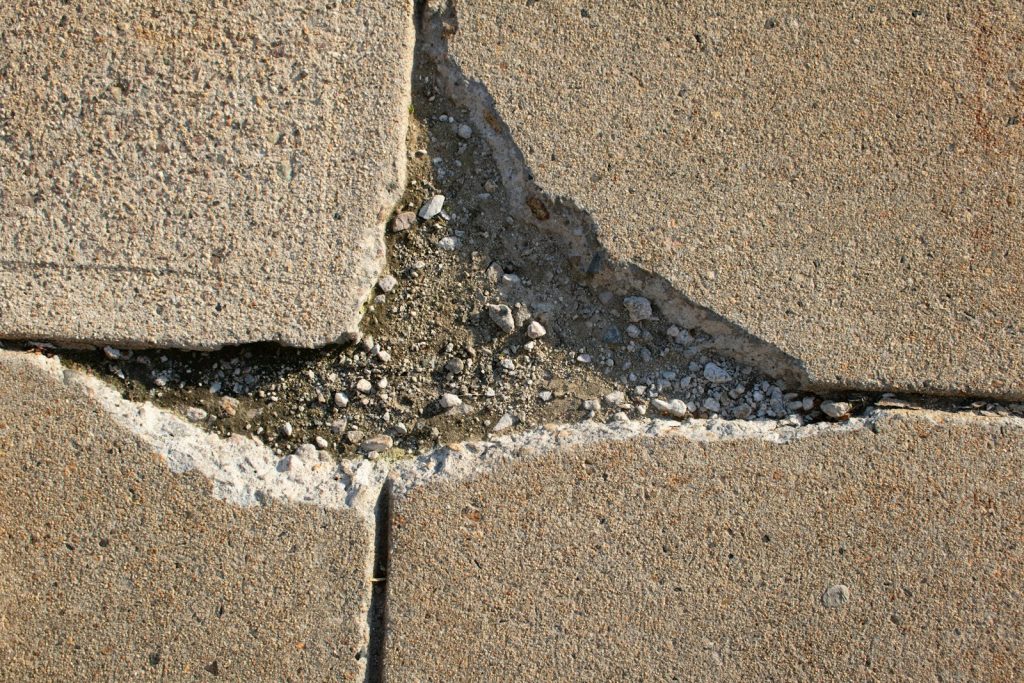
Scenario Two: The Torn Stair Runner in a Jackson Heights Walk-Up
Illustrative composite. Priya, a 67-year-old retired teacher, lives on the third floor of a privately owned apartment building in Jackson Heights. For weeks, the carpet runner on the stairs between the second and third floors has been coming loose, and its edge curls up on one step. Several tenants have mentioned it to the superintendent. One evening, carrying groceries, Priya catches her heel on the curled edge and falls down several steps, fracturing her hip.
Who is responsible?
Building owners have a duty to keep common areas such as stairways, hallways, and lobbies reasonably safe. As in most premises cases, the key question is notice: did the landlord create the condition or know, or should it have known, about it in time to fix it? Here, the complaints to the super are powerful evidence of actual notice. Texts, emails, or written repair requests from tenants would be even better.
What the defense may argue
The owner may argue that the defect was minor, that Priya’s view was blocked by the groceries she chose to carry, or that the lighting was adequate and she should have seen the edge. Under New York’s pure comparative fault rule for premises cases, even if a jury found Priya partly at fault, her recovery would be reduced rather than eliminated.
What would change the answer?
If the building were owned by the New York City Housing Authority, a Notice of Claim would generally have to be filed within 90 days, and the lawsuit would follow public-entity timelines. If Priya had been a guest rather than a tenant, the owner’s duty would be similar, but the evidence of notice might come from different sources. For a private building like this one, the general three-year deadline of CPLR 214(5) applies.
Hip fractures in older adults are serious injuries with long recoveries, a point the CDC’s older adult falls resources emphasize. Documenting how the injury changed Priya’s independence would be central to her damages.
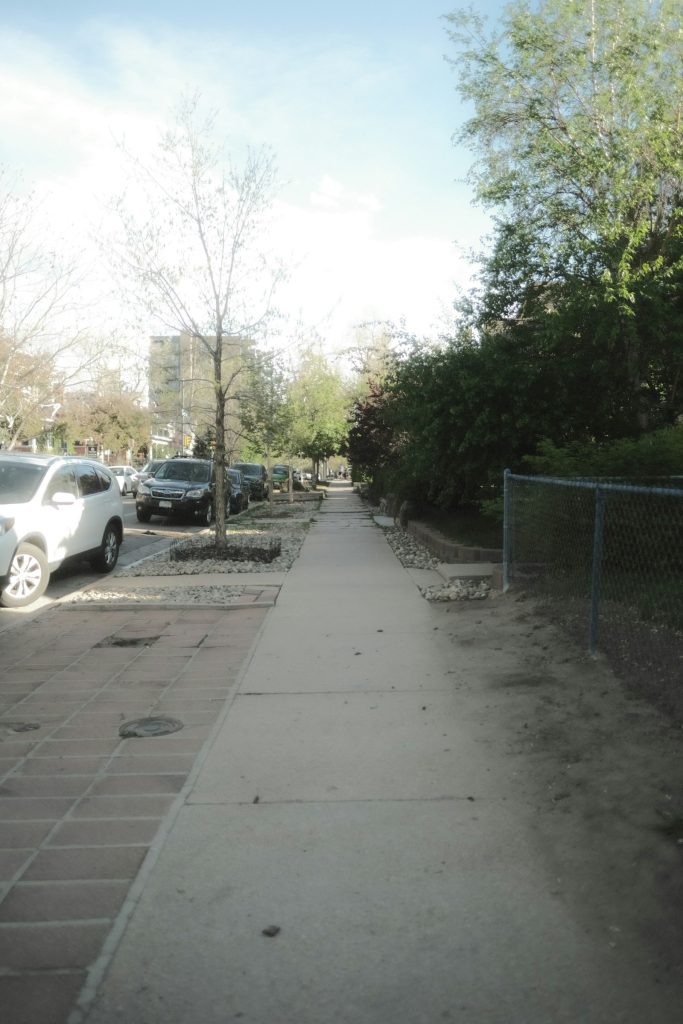
Scenario Three: The Crosswalk Pothole on Queens Boulevard
Illustrative composite. Danny, a 29-year-old line cook, is crossing Queens Boulevard in Rego Park with the light. Partway across, his foot drops into a deep pothole near the crosswalk markings, and he rolls his ankle hard, breaking it. The road surface, not a building, caused this fall.
Who is responsible?
Roadways and crosswalks in Queens are generally maintained by the City. That makes this a claim against a municipality, with the strictest rules of the three scenarios:
- 90-day Notice of Claim. Under General Municipal Law §50-e, a written Notice of Claim generally must be served within 90 days of the fall.
- 50-h hearing. The City may require Danny to answer questions under oath before he can sue.
- Short lawsuit deadline. The lawsuit generally must be filed within one year and 90 days.
- Prior written notice. For many street and sidewalk defects, the City generally cannot be held liable unless it received prior written notice of the specific defect or created it. Finding records of earlier complaints, inspections, or repairs becomes the heart of the case.
What would change the answer?
If a utility company or contractor had recently dug up and patched that section of road, that company might be responsible for a defective repair. If a vehicle had struck Danny while he stumbled, the motor-vehicle rules, including no-fault and the serious-injury threshold, would come into play for that part of the case. Pedestrians hurt by trucks face their own set of issues, explained in our guide to a delivery truck accident lawyer in Queens.
What a Trip and Fall Accident Lawyer in Queens Sees in All Three Stories
Three different people, three different surfaces, three different sets of rules. The common threads, though, are the ones that decide most trip and fall claims:
- Ownership determines the deadline. A private owner usually means three years. The City, NYCHA, or a public authority usually means 90 days for a Notice of Claim.
- Measurements beat descriptions. A photo with a ruler is worth more than “it was a big crack.”
- Notice is everything. Complaints, 311 reports, repair requests, and inspection records prove the owner knew or should have known.
- Medical documentation starts on day one. Gaps in treatment are used to argue an injury was minor or unrelated.
- Repairs happen fast after a fall. Photograph the defect before it is patched, and come back to photograph it again if you can.
2026 update: New York’s 2026 amendment to CPLR 1411 bars recovery for a claimant found more than 50 percent at fault, but only in motor-vehicle personal injury actions commenced on or after May 26, 2026. Trip and fall cases against property owners, landlords, and the City remain under pure comparative fault, where recovery is reduced by the injured person’s share of fault but not barred. Only a fall that also involved a vehicle would bring the new motor-vehicle rule into play.

What to Do in the Days After You Trip
- Get evaluated by a doctor, even if the injury seems minor. Ankle, wrist, and knee injuries are often worse than they first appear.
- Return to photograph the defect with a ruler, a coin, or a shoe for scale, from close up and from a distance with the building number visible.
- Write down exactly where you fell: the address, the nearest cross street, which flag or step.
- Collect witness names and any store or building employee who saw you fall.
- Keep your shoes as they were, to rebut claims that worn footwear caused the fall.
- Do not wait if there is any chance the City or another public entity is involved.
Falls are the core of what our firm’s premises practice handles. For a broader overview, see our main guide to slip and fall and trip and fall cases in Queens. If you fell near the Nassau line, our page for a trip and fall accident lawyer in Bellerose covers that area, and our full list of practice areas shows the other injury claims we handle.
Three Queens Landmarks Worth Walking Carefully Around
Some of the borough’s most rewarding places to visit are also places where uneven paving, old stonework, and waterfront paths call for attention.
The Ralph Bunche House in Kew Gardens
The Ralph Bunche House is a Tudor-style home on a quiet residential street in Kew Gardens, recognized as a New York City landmark and a National Historic Landmark for its association with the Nobel Peace Prize-winning diplomat who lived there. Kew Gardens is known for its winding streets, mature trees, and older sidewalks. The same mature trees that make it attractive also send roots under the pavement, lifting sidewalk flags. Many homes there are owner-occupied one- and two-family houses, which is exactly where the City’s sidewalk responsibility and prior written notice rules can come into play.
Gantry Plaza State Park
Gantry Plaza State Park stretches along the East River in Long Island City, named for the restored railroad gantries that once transferred rail cars to barges. It offers some of the best Manhattan skyline views in the city, with piers, lawns, and a waterfront promenade. Mixed paving surfaces, steps, raised edges, and decorative rail tracks make it important to watch your footing, especially at dusk when crowds gather for sunset photos. Because it is a state park, claims there may involve state rules and procedures rather than city ones.
Socrates Sculpture Park
Socrates Sculpture Park sits on the East River waterfront along Vernon Boulevard in Long Island City, near the Astoria border. Artists transformed what had been an abandoned riverside dump site into an outdoor museum in the 1980s, and it now hosts rotating large-scale sculptures, outdoor movies, and community events. The park’s open, uneven ground and the busy Vernon Boulevard sidewalks nearby, which see heavy truck traffic from local industrial businesses, are good reminders that both paths and curbs deserve attention.
Directions to Our Rosedale Office from Kew Gardens
From the Ralph Bunche House area in Kew Gardens, take the Van Wyck Expressway south past JFK Airport to the Belt Parkway eastbound. Exit toward Rosedale; 1 Cross Island Plaza sits just off the parkway near the Laurelton and Rosedale border. The trip is usually one of the quicker drives across Queens, and the map below shows live directions.
Trip and Fall FAQs: Short Answers to Common Questions
How big does a sidewalk defect have to be for a claim?
New York has no fixed minimum height. Courts consider the defect’s width, depth, elevation, irregularity, and appearance, along with the time, place, and circumstances of the fall. A small defect can be actionable if it was hidden, poorly lit, or in a heavily traveled spot. Owners often argue a defect was too trivial to matter, so measurements and clear photos are important.
Who is responsible for a broken sidewalk in Queens?
Under NYC Administrative Code §7-210, the owner of the abutting property is generally responsible, which covers commercial buildings, apartment buildings, and homes other than owner-occupied one- to three-family residences. For those smaller owner-occupied homes, the City generally remains responsible, subject to prior written notice rules under §7-201 and the 90-day Notice of Claim deadline.
What is prior written notice?
For many street and sidewalk defects, New York City generally cannot be held liable unless it received written notice of the specific defect before the accident, or it created the defect itself. Proving prior written notice often involves searching for earlier complaints, inspection reports, and repair records, which is why City cases require quick action and careful research.
How long do I have to file a trip and fall claim?
Against a private property owner, generally three years under CPLR 214(5). Against New York City, NYCHA, or many public authorities, a Notice of Claim is generally required within 90 days, and a lawsuit within one year and 90 days. Because it is not always clear who is responsible, it is safest to act as if the 90-day deadline applies.
I tripped over merchandise in a store aisle. Is that a trip and fall case?
Yes. Trip hazards include objects left in walkways, such as boxes, hoses, cords, and displays, as well as defects in the floor. The store’s responsibility usually depends on whether employees created the hazard or knew or should have known about it. An object an employee placed in the aisle is often easier to connect to the store than a spill created by another customer.
Does no-fault insurance cover a trip and fall?
Generally no. No-fault applies to motor vehicle accidents. Medical bills after a trip and fall are typically paid by health insurance, which may seek reimbursement from any recovery. If you fell while working, workers’ compensation generally applies. There is also no serious-injury threshold for trip and fall claims as there is in car accident cases.
What if I was partly at fault for not watching where I walked?
New York applies pure comparative fault in premises cases: your compensation is reduced by your share of fault but not eliminated. The 2026 rule that bars recovery for claimants more than 50 percent at fault applies only to motor-vehicle cases commenced on or after May 26, 2026.
The owner fixed the sidewalk right after I fell. Is my case over?
Not necessarily. Photos you or a witness took before the repair, Google Street View history, 311 records, and repair permits can show what the defect looked like. That is why photographing the defect immediately, and asking a lawyer to request records quickly, is so important. Evidence of a repair made after the fall is generally treated cautiously by courts.
What if I fell in a state park like Gantry Plaza?
Claims involving state property may proceed under different procedures than city claims, sometimes in a different court and with their own notice deadlines. Identify whether the property belongs to the State, the City, or a private owner as soon as possible. When in doubt, get advice well within 90 days.
Can I talk to someone before deciding whether to pursue a claim?
Yes. A conversation with a lawyer does not commit you to filing anything. Call our Rosedale office at 718.775.3110 to talk through what happened, which deadlines might apply, and what evidence to gather now.
Related: For a full overview of how our firm handles these claims, visit our Trip And Fall Accident Lawyer in Queens page.
Speak With a Trip and Fall Accident Lawyer in Queens
Marcus, Priya, and Danny are composites, but the forks in their stories are real. Whether your fall happened on a sidewalk, a staircase, or a city street, the deadline and the evidence you need depend on who controlled that surface. A Trip and Fall Accident Lawyer in Queens can identify the right party quickly, protect the 90-day window if it applies, and help you document the defect before it is repaired.
Call Yakov Mushiyev & Associates, P.C. at 718.775.3110 or contact us online to discuss your fall. Our office is in Rosedale, Queens, convenient to the Belt and Cross Island Parkways.
General information, not legal advice. Attorney Advertising. Prior results do not guarantee a similar outcome.