
The scene that opens this story is an illustrative composite, not a real client or a real crash, but it is the kind of story an auto accident lawyer in Queens hears all the time.
Woodhaven Boulevard, a weekday evening. Rain on the windshield. A bus pulls out of its lane. A sedan brakes. The SUV behind it does not.
The impact is not loud. It rarely is. A crunch, a jolt, a phone flying off the dashboard mount.
The driver of the sedan steps out. Her neck feels stiff, but she tells the other driver she is fine. They swap photos of licenses. Traffic starts honking. Twenty minutes later, everyone is gone.
Three days later, she cannot turn her head to check her blind spot.
That gap, between the crash and the moment the injury shows itself, is where many Queens injury claims are won or lost. We set out to explain what happens inside it, and what a lawyer looks at when someone walks in with a story like this one.
The First 72 Hours, Reconstructed
Insurers start building their file almost immediately. Most drivers do not.
Here is what typically exists in the hours after a Queens crash, and what tends to happen to it:
- Video. Bodega cameras, building security systems, dashcams and bus cameras. Much of it is recorded over on a rolling basis, sometimes within days.
- Witnesses. People on the sidewalk who saw the light. They leave. Unless someone wrote down a name and number, they are gone.
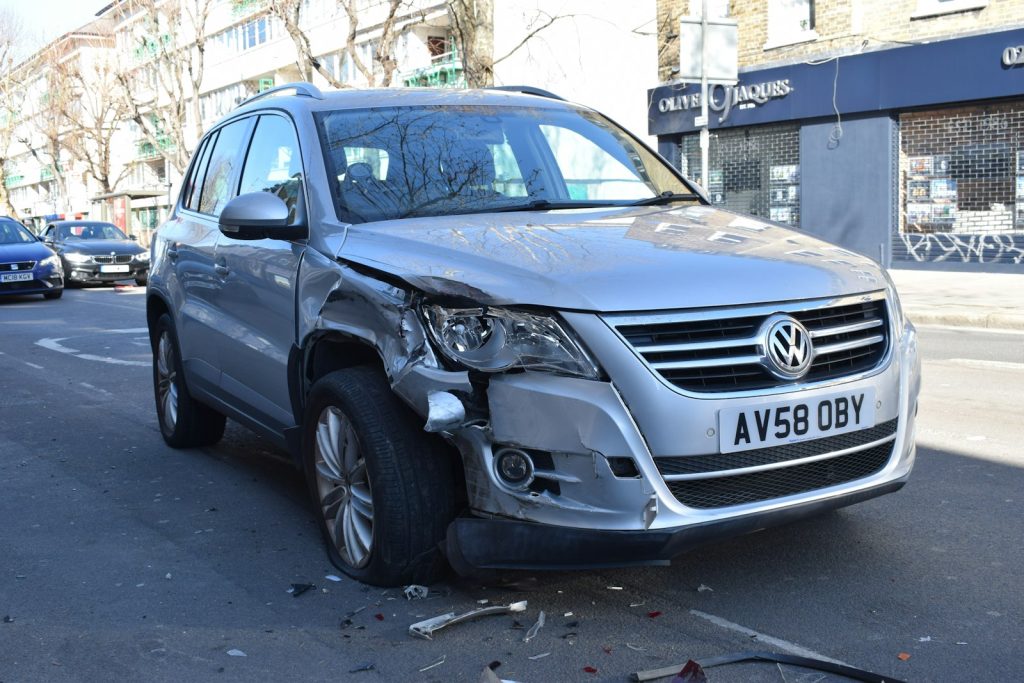
- The vehicles. Repaired or totaled and sold for parts. Crush patterns and event data that could show speed and braking go with them.
- Your body. Swelling, bruising, and stiffness that a doctor can document on day one but cannot reconstruct on day thirty.
The paperwork clock starts too. New York’s no-fault application is generally due within 30 days. Drivers must file a DMV accident report, form MV-104, within 10 days when someone is injured or killed or property damage exceeds $1,000.
Miss those, and the case gets harder before it ever gets started.
Follow the Money: Which Policy Pays an Auto Accident Claim
Ask ten people in Queens how car insurance works after a crash and you will get ten answers. Most of them will be wrong in the same way: they assume the other driver’s insurer pays for everything.
It does not. Not at first.
New York is a no-fault state. The first dollars for your medical care and lost pay come from the no-fault coverage on the vehicle you were in, regardless of who caused the crash. The New York State Department of Financial Services publishes consumer guidance on how auto coverage works in the state.
The numbers, under Insurance Law Article 51:
- Up to $50,000 per person in basic economic loss
- Necessary medical expenses
- 80% of lost earnings, capped at $2,000 per month
- Up to $25 per day for other reasonable expenses
That is the floor. It is also the ceiling for many people who never pursue anything more.
The second layer is the at-fault driver’s bodily injury liability coverage. That is the money for pain and suffering and for economic losses beyond no-fault. To reach it for pain and suffering, you have to clear the serious injury threshold. More on that below.
The third layer is often forgotten entirely. Supplementary uninsured/underinsured motorist coverage, or SUM, on your own policy can apply when the at-fault driver has little or no insurance. And when there is no insurance at all and no other coverage, MVAIC, the Motor Vehicle Accident Indemnification Corporation, may apply, with strict notice requirements.
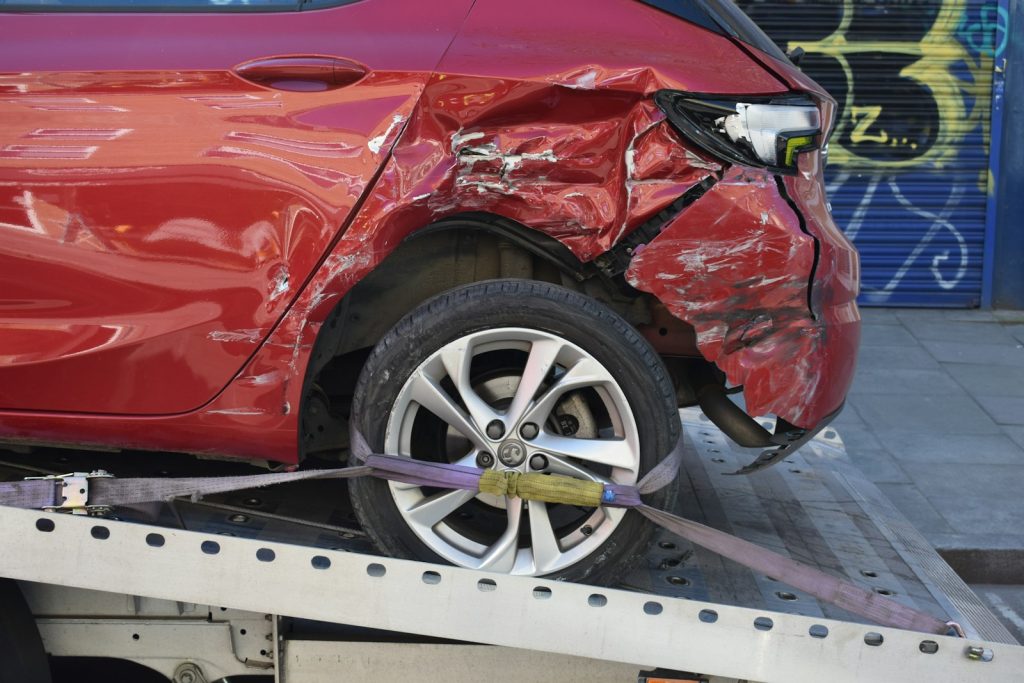
One more layer: ownership. Under Vehicle and Traffic Law §388, the owner of a car is generally liable for the negligence of a permitted driver. Borrowed cars, family cars and company cars all bring a second policy into view.
The Threshold Nobody Explains at the Scene
This is the rule that surprises people most.
In New York, you cannot sue the at-fault driver for pain and suffering after a car crash unless your injury qualifies as a “serious injury” under Insurance Law §5102(d).
The definition is specific. It includes fractures, significant disfigurement, permanent loss of use of a body organ or member, permanent consequential limitation, significant limitation of use of a body function or system, and death, among other categories.
What it does not include is “I was in a lot of pain for a few weeks.”
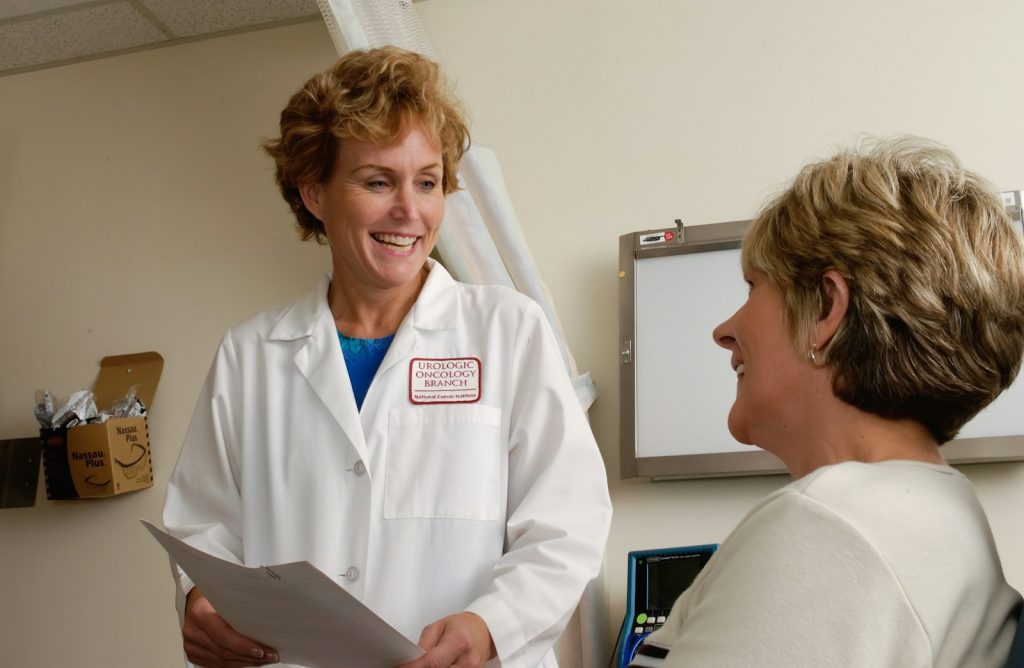
In practice, threshold cases turn on medicine. MRIs. Range-of-motion measurements compared against normal values. Treating doctors who can explain why a herniated disc is related to the crash and not to age. Defense doctors, examining you once, frequently disagree.
That is where most of the real argument in a Queens auto case happens. Not over who ran the light. Over what is wrong with your spine.
2026 update: Legislation signed in late May 2026 made two changes for motor-vehicle personal-injury actions commenced on or after May 26, 2026. It removed the “90/180-day” category from the serious-injury definition, and it modified comparative fault under CPLR 1411: a claimant more than 50% at fault recovers nothing, while a claimant 50% or less at fault has recovery reduced by their share. Actions commenced earlier are governed by the prior rules.
Fault Is a Percentage, and Now It Has a Cliff
For decades, New York let injured people recover even when they were mostly at fault. A driver found 70% responsible could still collect 30% of their damages.
For motor-vehicle injury lawsuits filed on or after May 26, 2026, that ended. Cross the 50% line and you recover nothing.
The practical effect is easy to predict. Expect insurers to argue fault harder. Expect more fights over speed, signals, phone use and lane position.
Which brings us back to evidence. Phone records can matter: New York bans hand-held phone use and portable electronic device use while driving under VTL §1225-c and §1225-d. Federal safety regulators at the National Highway Traffic Safety Administration treat distracted driving as a major safety problem. A driver who was texting at the moment of impact has a hard time arguing that you were the one at fault.
Mapping the Corridors
We looked at where the auto accident cases that come through a Queens personal injury practice tend to originate. The answer is not one road. It is a network.
Woodhaven and Cross Bay Boulevards. A north-south spine running from the Long Island Expressway down toward the Rockaways. Bus lanes, heavy turning traffic, and summer beach traffic on the southern end. Lane-change and rear-end crashes dominate.
Queens Boulevard. Main lanes and service roads, divided by medians, crossed by pedestrians. Vehicles cutting between the two are a recurring story.
Rockaway Boulevard and Conduit Avenue. Airport traffic, cargo traffic and commuters converge near JFK and the Belt Parkway. Speeds are higher than they look, and merges are short.
Jamaica Avenue and Merrick Boulevard. Dense commercial blocks, buses pulling in and out, double-parked vans. Low speeds, constant conflicts.
The highways. The Van Wyck, the Long Island Expressway, the Grand Central, the Cross Island and the Belt Parkway. Stop-and-go congestion makes rear-end and multi-car crashes common, especially at merges and exits.
The location matters for more than color. It tells a lawyer which cameras to look for, which agencies might have records, and which defenses to expect. A crash involving a box truck or van on a commercial corridor may involve a company and its insurer, which is why we also maintain a separate guide for a delivery truck accident lawyer in Queens.
Clients near the eastern border of the borough often start with our page for an auto accident lawyer in Bellerose, which covers the neighborhoods close to our Rosedale office.
Inside the Medical File
Insurers read medical records the way investigators read phone logs. They look for gaps.
A gap between the crash and the first doctor visit. A gap between physical therapy sessions. A note that says “patient reports improvement” that gets quoted out of context a year later.
Those gaps are not always the patient’s fault. People have jobs, kids and no-fault denials to deal with. But in a threshold case, they matter.
What tends to help:
- Seeing a doctor promptly after the crash, even if you went home from the scene
- Telling every provider about every symptom, including headaches, numbness and sleep problems
- Following the treatment plan, or documenting why you could not
- Keeping copies of everything, from ER discharge papers to pharmacy receipts
And what tends to hurt: social media posts, minimizing your pain to doctors, and signing broad medical authorizations sent by the other side’s insurer.
Three Queens Landmarks Along the Routes We Cover
Our clients come from across the borough, from the beach to the airport. Three places that tell the story of Queens traffic:
Breezy Point
Breezy Point sits at the far western tip of the Rockaway Peninsula, a private cooperative community of tightly packed homes, narrow walkways and beachfront known for its close-knit, largely Irish-American population. It was devastated during Hurricane Sandy in 2012, when flooding and a major fire destroyed many homes, and it has since largely rebuilt. Getting in and out means Rockaway Point Boulevard and Beach Channel Drive, with the Marine Parkway–Gil Hodges Memorial Bridge leading to Brooklyn and Cross Bay Boulevard leading north into Queens. In summer, beach traffic on these limited routes produces long backups, impatient passing and rear-end crashes.
Resorts World New York City at Aqueduct
Resorts World New York City is the large gaming and entertainment complex on the grounds of Aqueduct Racetrack in South Ozone Park, drawing visitors well into the night. It sits along Rockaway Boulevard and North Conduit Avenue, a short distance from the Belt Parkway and JFK Airport, and the A train stops nearby. The mix is challenging for drivers: visitors arriving at all hours, airport and cargo traffic on Conduit, and pedestrians crossing wide roads. Late-night driving brings a higher risk of impaired and fatigued drivers, so watch your speed and the merges onto the Belt.
LaGuardia Airport
LaGuardia Airport sits on the northern shore of Queens in East Elmhurst, bordered by the Grand Central Parkway and Flushing Bay. Its terminals were rebuilt in recent years, replacing older buildings with new terminal complexes and reworked roadways. For drivers, LaGuardia means constant pickup and drop-off traffic, rideshare vehicles pulling in and out, shuttle buses, and visitors unfamiliar with the ramps. The Grand Central Parkway approaches can back up suddenly, and last-second lane changes toward airport exits are a familiar cause of sideswipes and rear-end crashes in this stretch.
Directions to Our Rosedale Office from Breezy Point
From Breezy Point, take Rockaway Point Boulevard east and continue onto Beach Channel Drive. Turn onto Cross Bay Boulevard and head north over the Cross Bay Bridge (a toll applies) toward Howard Beach. Pick up the Belt Parkway eastbound past JFK Airport and follow it toward the Cross Island Parkway and Southern State interchange; our office at 1 Cross Island Plaza, Suite 325, in Rosedale sits just off the parkway near the Nassau line.
The Deadlines That Do Not Forgive
Every injury claim has a clock. In Queens auto cases, there are several running at once.
- 30 days: the general deadline to submit a no-fault application.
- 10 days: the deadline for drivers to file DMV form MV-104 when someone is hurt or property damage exceeds $1,000.
- 90 days: the general deadline for a Notice of Claim against New York City or its agencies, including city vehicles like sanitation trucks, and against NYC Transit for MTA bus crashes.
- 1 year and 90 days: the general deadline to sue the city or those authorities after a timely notice.
- 3 years: the general statute of limitations for personal injury claims against private drivers.
Hit-and-run cases add another layer. If the driver is never identified and no other coverage applies, MVAIC may provide benefits, but only if strict notice requirements are met, including a police report. Report it, and get legal help as soon as possible.
A crash that is not a typical car-on-car collision can carry different rules. Our guide for a motor vehicle accident lawyer in Queens walks through claims involving buses, vans and other vehicles.
Reader Questions for an Auto Accident Lawyer in Queens
What is the difference between a car accident and an auto accident claim?
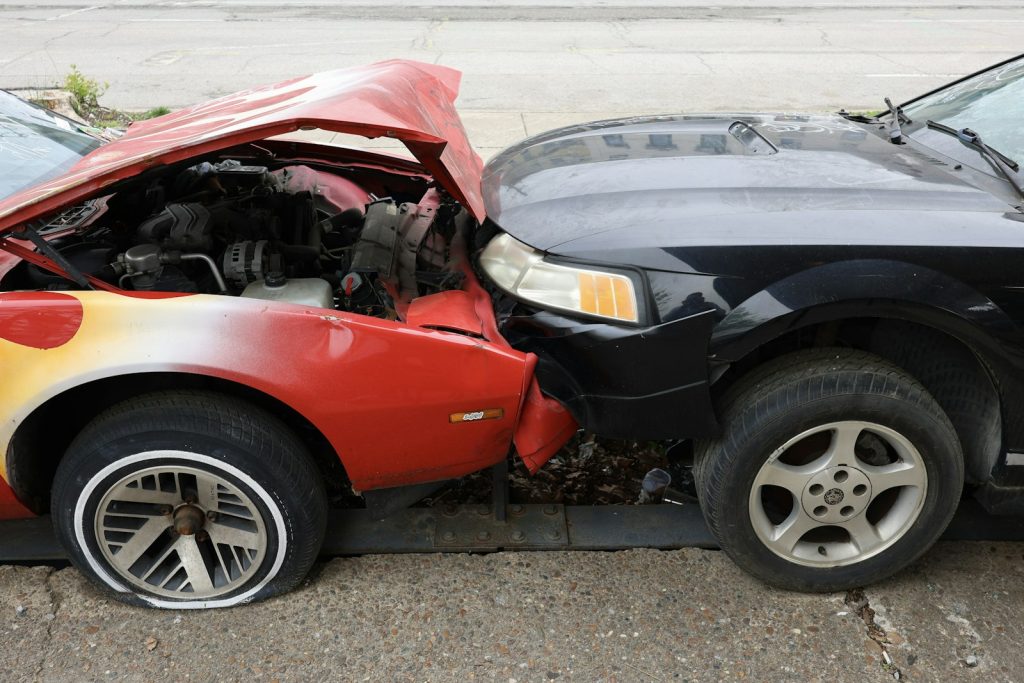
Legally, very little. “Auto accident” is a broad term that covers cars, SUVs, minivans, pickups and similar passenger vehicles. The same New York rules generally apply: no-fault benefits first, the serious injury threshold for pain-and-suffering claims, and the same deadlines. Differences come from the vehicles and policies involved, such as a company van with a commercial policy or a rideshare vehicle on a trip.
I felt fine at the scene. Can I still make a claim?
Often, yes. Many crash injuries, especially to the neck and back, take hours or days to show up. What matters is that you get medical care promptly once symptoms appear and that your doctor documents the connection to the crash. Delays give insurers an argument, so do not wait to see whether the pain goes away on its own.
Will my own insurance rates go up if I file for no-fault?
No-fault benefits are paid by the insurer of the vehicle regardless of fault, and filing a no-fault claim is how New York’s system is designed to work. How any insurer handles renewal and pricing depends on the company, your record and state rules. If you have concerns, the Department of Financial Services is the state regulator for auto insurers and handles consumer questions.
What if the other driver has no insurance?
Check your own policy for supplementary uninsured/underinsured motorist (SUM) coverage, which may apply. If there is no other available coverage, the Motor Vehicle Accident Indemnification Corporation (MVAIC) may provide benefits, but it has strict notice requirements. Report the crash to police and get advice quickly so deadlines are not missed.
Do I need a police report?
It helps a great deal. A police report records the parties, insurance information, witnesses and initial observations. It is essential for hit-and-run and MVAIC claims. Separately, drivers must file their own DMV MV-104 report within 10 days when someone is injured or property damage exceeds $1,000. Ask the responding officers how to get a copy, and keep the report number with your claim papers.
How does the serious injury threshold affect a whiplash claim?
Whiplash is a strain or sprain of the neck, and on its own it often does not qualify as a serious injury. But neck trauma can involve herniated discs, nerve involvement or lasting limitations that do qualify when supported by objective medical evidence. Each case is evaluated on imaging, testing and the opinions of treating doctors.
I was hit near LaGuardia by a rideshare car. Who pays?
If you were a passenger, your medical bills usually start with no-fault through the rideshare vehicle’s policy. NYC rideshare drivers are licensed by the Taxi and Limousine Commission and must carry commercial insurance. If you were in another car, no-fault generally comes from your own vehicle’s policy, and a claim may then be made against the at-fault driver’s coverage.
Can I still recover if I was partly at fault?
It depends on when your lawsuit is commenced. For motor-vehicle injury actions commenced on or after May 26, 2026, a claimant more than 50% at fault recovers nothing, and at 50% or less recovery is reduced by their share. Earlier actions generally follow pure comparative fault, where recovery is reduced by any percentage of fault.
How long will my case take?
There is no standard timeline. Cases can resolve in months or take years, depending on how long treatment lasts, whether liability is disputed, the insurance involved and whether a lawsuit is necessary. Settling before your doctors understand your long-term condition can mean accepting too little, so timing is a judgment call made case by case.
Where is your office, and do you meet clients from the Rockaways?
Our office is at 1 Cross Island Plaza, Suite 325, in Rosedale, close to the Belt and Cross Island Parkways. Clients from the Rockaways, Howard Beach, Ozone Park and across Queens reach us by the Belt Parkway. If injuries make travel hard, call us and we will discuss how to arrange the first conversation.
More general answers are collected on our frequently asked questions page, and our list of areas we serve shows the neighborhoods we work with.
Related: For a full overview of how our firm handles these claims, visit our Auto Accident Lawyer in Queens page.
The Next Step With an Auto Accident Lawyer in Queens
Back to Woodhaven Boulevard, and the driver who said she was fine. Her story is illustrative, but the pattern is real: the most important decisions in an auto case are made early, often before anyone realizes they are decisions.
If you were hurt in a crash in Queens, talk to Yakov Mushiyev & Associates, P.C. Call 718.775.3110 or send our Rosedale office a message online. We will look at your deadlines, your coverage and your injuries, and give you a straight assessment of where an auto accident lawyer in Queens can help.
General information, not legal advice. Attorney Advertising. Prior results do not guarantee a similar outcome.