
This guide is built to be used, not just read. If you or someone in your family was hurt in a crash involving a car, bus, van, motorcycle, rideshare or any other vehicle in this borough, work through it in order. Each step has an action item in bold, a short explanation, and a checklist. It reflects the questions a motor vehicle accident lawyer in Queens works through with every new client, and it is written so you can protect your claim even before you call anyone.
“Motor vehicle accident” is deliberately broad. It covers the sedan that ran a red light on Hillside Avenue, the MTA bus that pulled out on Merrick Boulevard, the rideshare that cut across three lanes of the Van Wyck, and the delivery van that clipped a cyclist on Northern Boulevard. The type of vehicle changes who pays and how fast you have to act. That is why this guide starts with a sorting step.
Step 1: Identify What Kind of Motor Vehicle Accident You Were In
Action item: write down every vehicle involved, who owned it, and what you were doing at the time (driving, riding as a passenger, walking or biking).
The answer determines where your medical bills go first and which deadlines apply. Use this table as a starting point. It is general information, and the details of every policy matter.
| Your situation | Where medical bills usually start | Watch out for |
|---|---|---|
| Driver or passenger in a private car | No-fault on the policy of the car you were in | 30-day no-fault application deadline |
| Passenger in an Uber, Lyft or yellow cab | No-fault on that vehicle’s commercial policy | Drivers are TLC-licensed and must carry commercial insurance |
| Pedestrian or bicyclist struck by a car | Generally no-fault through the car’s insurer | Driver’s duty of care under VTL §1146 |
| Motorcycle operator or passenger | Not covered by New York no-fault | Health insurance and the at-fault driver’s liability coverage become critical |
| Hit by an MTA bus or city vehicle | Depends on the circumstances and policies | Notice of Claim generally due within 90 days |
| E-bike, e-scooter or moped crash | Depends on the vehicles and policies involved | Mopeds must be registered and insured |
| Hit-and-run or uninsured driver | Your own SUM coverage, or MVAIC if no other coverage | Strict MVAIC notice and police report requirements |
If you ride an electric scooter or e-bike, our separate guide for an electric scooter accident lawyer in Queens goes into the rules for those riders, including New York City’s 15 mph speed limit for e-bikes and e-scooters that took effect in late 2025.
Step 2: Protect Yourself and the Evidence at the Scene
Action item: call 911, get medical attention, and capture evidence before the scene is cleared.
If you are able to do anything at the scene, do the following. If you were taken away by ambulance, ask a family member to do what they can the same day.
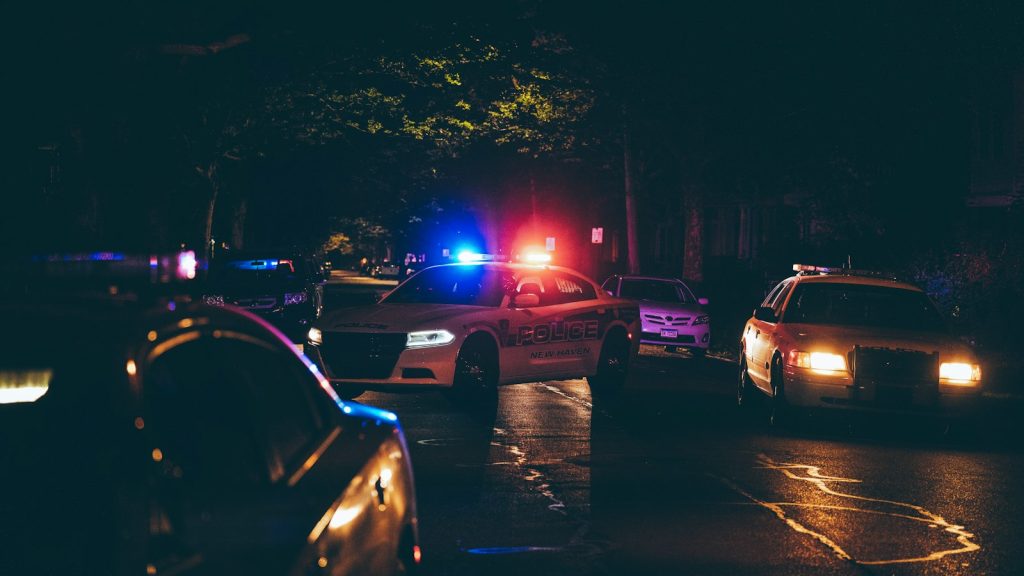
- Call 911 and ask for police and, if needed, EMS. A police report creates an official record of the parties and vehicles.
- Photograph everything: all vehicles from several angles, license plates, the intersection, traffic signals, skid marks, debris, and your visible injuries.
- Get the other driver’s details: name, license, plate, insurance company and policy number, and the vehicle owner’s name if different.
- For a bus, taxi or commercial vehicle, photograph the vehicle number, company name, TLC plate or bus route number.
- Collect witness names and phone numbers. People leave quickly.
- Look for cameras: storefronts, building entrances, traffic cameras, dashcams. Note the addresses.
- Do not argue fault or apologize. Stick to facts.
Step 3: Get Medical Care and Keep It Consistent
Action item: see a doctor within a day or two, even if you feel mostly fine, and follow the treatment plan.
Adrenaline masks pain. Neck, back, shoulder and head injuries often show up a day or more later. From a legal standpoint, early treatment links your injuries to the crash. Consistent treatment shows the injuries are real and lasting.
- Go to an emergency room, urgent care, or your own doctor promptly.
- Tell every provider that you were in a motor vehicle accident and describe every symptom.
- Attend physical therapy and follow-up visits. If you must miss one, document why.
- Ask about imaging, such as MRI, if symptoms persist.
- Keep a simple pain and activity journal.
Step 4: Meet the 10-Day and 30-Day Paperwork Deadlines
Action item: file the MV-104 within 10 days if required, and the no-fault application within 30 days.
- DMV report (MV-104): drivers must file form MV-104 with the DMV within 10 days if anyone was injured or killed or property damage exceeds $1,000. This is separate from the police report.
- No-fault application: generally due within 30 days of the accident. No-fault pays basic economic loss up to $50,000 per person: necessary medical expenses, 80% of lost earnings up to $2,000 per month, and up to $25 per day for other reasonable expenses.
- Wage verification: give your employer the no-fault employer wage form promptly so lost-earnings benefits are not delayed.
- Keep copies of everything you send and note the date and method you sent it.
Motorcyclists should note: motorcycle operators and passengers are not covered by New York no-fault. If you were on a motorcycle, skip the no-fault step and talk to a lawyer about health insurance, your own policy options and the claim against the at-fault driver.
Step 5: If a Bus or City Vehicle Was Involved, Act Within 90 Days
Action item: if the vehicle belonged to New York City, a city agency, or the MTA’s New York City Transit, treat the 90-day mark as an emergency deadline.
Claims against public entities follow special rules. Under General Municipal Law §50-e, a Notice of Claim is generally due within 90 days. For New York City Transit and MaBSTOA, Public Authorities Law §1212 sets out similar requirements. The lawsuit itself generally must be commenced within one year and 90 days.
- Identify the vehicle: city sanitation truck, police or other agency vehicle, or MTA bus (note the bus number and route).
- Talk to a lawyer well before 90 days pass so the notice can be prepared and served correctly.
- Expect a possible 50-h hearing, a sworn examination the city or authority may demand before suit.
- Keep treating and documenting. The rest of the case still depends on your medical evidence.
Queens has heavy bus traffic on corridors like Merrick Boulevard, Jamaica Avenue, Main Street in Flushing and Woodhaven Boulevard. Bus crashes, including passengers injured by sudden stops, are a regular part of motor vehicle practice here.
Step 6: Find Every Insurance Policy That Could Apply
Action item: list every policy and every potentially responsible party, not just the driver.
- The at-fault driver’s liability policy. The main source for pain and suffering and excess economic losses.
- The vehicle owner’s policy. Under VTL §388, owners are generally liable for the negligence of drivers using the vehicle with permission.
- An employer’s commercial policy. If the driver was working, such as making deliveries, the employer may be responsible.
- Your own SUM coverage. Supplementary uninsured/underinsured motorist coverage can help when the other driver has little or no insurance.
- MVAIC. For hit-and-run and uninsured cases where no other coverage exists, subject to strict notice requirements.
Large vehicles bring additional layers. A tractor-trailer or box truck crash can involve the driver, the carrier, a leasing company and a shipper, along with federal safety rules. See our guide for a truck accident lawyer in Queens for how those cases differ.
Step 7: Check Whether Your Injury Meets the Serious Injury Threshold
Action item: ask your doctors to document objective findings and how your injury limits your daily life.
To sue for pain and suffering after a motor vehicle accident in New York, your injury must qualify as a “serious injury” under Insurance Law §5102(d). Qualifying categories include a fracture, significant disfigurement, permanent loss of use of a body organ or member, permanent consequential limitation, significant limitation of use of a body function or system, and death, among others.
- Make sure imaging results (X-ray, MRI, CT) are in your file.
- Ask that range-of-motion testing be measured and recorded with numbers, not just “limited.”
- Tell your doctor which activities you cannot do or do with pain: work tasks, lifting children, stairs, sleep.
- Keep treating. Long gaps can be used to argue the injury resolved.
Even without meeting the threshold, economic losses above what no-fault pays can still be pursued against the at-fault driver.
Step 8: Understand How Fault Is Divided After the 2026 Changes
Action item: preserve everything that shows how the crash happened, because the fault percentage now carries more weight.
2026 update: For motor-vehicle personal-injury actions commenced on or after May 26, 2026, amended CPLR 1411 bars recovery for a claimant whose fault exceeds the defendants’ combined fault (more than 50%), and reduces recovery by the claimant’s share at 50% or less. The same legislation removed the “90/180-day” category from the serious-injury definition. Actions commenced before that date generally follow the prior rules, including pure comparative fault.
- Request video from nearby businesses quickly, before it is overwritten.
- Get witness statements while memories are fresh.
- Keep your damaged vehicle, or at least thorough photos, until your lawyer says otherwise.
- Do not post about the crash online.
- Do not give a recorded statement to the other side’s insurer without advice.
Step 9: Know Your Outer Deadline
Action item: mark the three-year date on your calendar today, and plan to resolve or file well before it.
The general statute of limitations for personal injury in New York is three years under CPLR 214(5). For city and transit claims, the deadline is generally one year and 90 days, after a timely Notice of Claim. For a death caused by a crash, a wrongful death action generally must be brought within two years of the death. These are general rules, and specific facts can change them.
Step 10: Bring the Right Documents to a Motor Vehicle Accident Lawyer in Queens
Action item: gather this folder before your first meeting so the conversation can focus on your case, not on missing paperwork.
- Police report number or copy, and your MV-104 if you filed one
- Photos and videos from the scene and of your injuries
- The other driver’s and owner’s information and insurance details
- Your own insurance card and declarations page (to check SUM limits)
- No-fault claim number and any letters from the insurer
- Names of all doctors, hospitals, therapists and pharmacies
- Pay stubs or tax records showing your income before the crash
- Witness names and numbers
- Your pain and activity journal
If your crash happened in eastern Queens, our page for a motor vehicle accident lawyer in Bellerose focuses on that area. For a broader statewide overview, see our guide for a New York car accident attorney, and you can review results our firm has published, keeping in mind that every case is different and prior results do not guarantee a similar outcome.
Three Queens Landmarks Worth Knowing on Your Way
These three places are spread across the borough, and the roads around each one carry their own traffic risks.
Kingsland Homestead
Kingsland Homestead is an eighteenth-century farmhouse in Flushing, built around 1785 and moved in 1968 to its current spot in Weeping Beech Park, near the historic Bowne House. Today it is home to the Queens Historical Society, which uses it for exhibits about the borough’s history. The house sits just a few blocks from Downtown Flushing, one of the busiest pedestrian and traffic areas in New York City. Main Street, Roosevelt Avenue and Northern Boulevard are packed with buses, delivery vehicles, turning cars and people crossing in large numbers, so drivers and pedestrians alike need extra care here, especially near bus stops and subway entrances.
The Ralph Bunche House in Kew Gardens
The Ralph Bunche House is a brick home on a quiet residential street in Kew Gardens where the Nobel Peace Prize–winning diplomat lived for many years. It is a National Historic Landmark, a reminder of the neighborhood’s long history as a leafy enclave of Tudor-style houses and apartment buildings. Just beyond those quiet streets lies the Kew Gardens Interchange, where the Van Wyck Expressway, Grand Central Parkway, Jackie Robinson Parkway and Union Turnpike come together. It is one of the most complicated tangles of ramps in the city, and sudden lane changes and merges there contribute to rear-end and sideswipe crashes.
Gantry Plaza State Park
Gantry Plaza State Park lines the East River waterfront in Long Island City’s Hunters Point section, with lawns, piers and wide views of the Manhattan skyline. Its name comes from the restored gantries that once loaded rail cars onto barges, and the large Pepsi-Cola sign stands nearby. The surrounding neighborhood has filled with high-rise apartment buildings, bringing heavy foot traffic, cyclists and delivery vehicles to streets like Center Boulevard and Vernon Boulevard. The nearby approach to the Queens Midtown Tunnel and the start of the Long Island Expressway add commuter traffic to the mix.
Directions to Our Rosedale Office from Flushing
From Kingsland Homestead in Flushing, head east on Northern Boulevard to the Cross Island Parkway. Take the Cross Island Parkway south along the eastern edge of Queens, past Bayside and Bellerose, toward the Belt Parkway and Southern State interchange. Our office at 1 Cross Island Plaza, Suite 325, in Rosedale is just off the parkway near the Nassau County line. Check live traffic before you go, since the parkway can back up at rush hour.
Quick Answers: Motor Vehicle Accidents in Queens
What counts as a motor vehicle accident?
Any crash involving a motorized vehicle on a road, parking area or driveway: cars, SUVs, trucks, buses, vans, motorcycles, taxis, rideshares and mopeds, as well as pedestrians and cyclists struck by those vehicles. The category matters because New York applies special rules to motor vehicle cases, including no-fault benefits, the serious injury threshold and, for actions commenced on or after May 26, 2026, the modified comparative fault rule.
What is the first thing I should do after a crash in Queens?
Make sure everyone is safe and call 911. Then, if you can, photograph the vehicles, plates, scene and injuries, and collect the other driver’s and any witnesses’ information. Get medical care quickly, even if you feel all right. Then file the paperwork on time: the MV-104 within 10 days when required, and the no-fault application within 30 days.
I was a passenger on an MTA bus that stopped short. Do I have a claim?
Possibly. Bus passengers are sometimes injured by sudden stops, sharp turns or collisions. Whether you have a claim depends on what happened and how the bus was operated. Because NYC Transit claims generally require a Notice of Claim within 90 days, act quickly. Note the bus number, route, time and location, and get medical care right away.
Does no-fault cover me if I was riding a motorcycle?
No. Motorcycle operators and passengers are not covered by New York no-fault. That makes your health insurance, any coverage on your own policy, and a claim against the at-fault driver especially important. Motorcycle claims against a negligent driver are not subject to the same no-fault limits, but the details depend on your situation and the policies involved.
What if I was hit while riding an e-bike or moped?
Coverage depends on the vehicles involved and the policies that apply. Mopeds and limited-use motorcycles must be registered and insured in New York. E-bikes in Classes 1 through 3 and e-scooters are legal under state rules, and New York City set a 15 mph speed limit for them that took effect in late 2025. A lawyer can sort out which policy may respond.
Can I sue for pain and suffering after any motor vehicle accident?
Only if your injury qualifies as a serious injury under Insurance Law §5102(d), such as a fracture, significant disfigurement, permanent loss of use, or a permanent consequential or significant limitation. Economic losses beyond no-fault can be pursued without meeting the threshold. Whether you qualify depends on objective medical evidence, such as imaging and measured limitations, reviewed by your treating doctors.
How long do I have to file a lawsuit?
Generally three years from the accident for claims against private parties. For claims against New York City, its agencies, or NYC Transit, a Notice of Claim is generally due within 90 days and the lawsuit within one year and 90 days. For wrongful death, generally two years from the date of death. Do not wait until close to any of these deadlines.
The driver who hit me was using a company van. Who is responsible?
Possibly several parties. The driver, the vehicle’s owner under VTL §388, and the employer if the driver was working may all be responsible. Commercial vehicles typically carry commercial policies. Note the company name and vehicle number at the scene, and let your lawyer request records about the driver and vehicle.
Which Queens roads see the most motor vehicle crashes?
Crashes happen everywhere, but busy corridors such as Queens Boulevard, Northern Boulevard, Woodhaven Boulevard, Hillside Avenue, Jamaica Avenue, Merrick Boulevard and Rockaway Boulevard come up often, along with the Long Island Expressway, Van Wyck Expressway and the parkways. Complex interchanges like Kew Gardens add merging risks, and each location points to different cameras, witnesses and records.
Can I visit your office if I live in northern Queens?
Yes. Our office is at 1 Cross Island Plaza, Suite 325, in Rosedale. From Flushing, Bayside or Whitestone, the Cross Island Parkway runs south almost directly to us. If your injuries make travel difficult, call ahead and we will talk about arranging the initial conversation in a way that works for you.
Related: For a full overview of how our firm handles these claims, visit our Motor Vehicle Accident Lawyer in Queens page.
Your Final Step: Call a Motor Vehicle Accident Lawyer in Queens
Action item: if you have worked through Steps 1 to 10 and still have questions, or if any deadline is close, call us today.
Yakov Mushiyev & Associates, P.C. helps people hurt in motor vehicle accidents across Queens, from our office at 1 Cross Island Plaza, Suite 325, in Rosedale. Call 718.775.3110 or contact our office online to talk with a motor vehicle accident lawyer in Queens about your crash, your coverage and your next steps.
General information, not legal advice. Attorney Advertising. Prior results do not guarantee a similar outcome.