
Being hit by a bus while you are walking or riding a bike is one of the most frightening things that can happen on a New York street. A bus is enormous next to a person, and even a slow-moving one can cause injuries that change daily life for a long time. If this has happened to you or someone you love, you probably have a lot of questions at once: who pays the hospital, whether the MTA can be held responsible, how long you have to act. We will take those questions one at a time here, in plain language, so you can see the road ahead a little more clearly.
How These Crashes Usually Happen
Every crash has its own story, but the same situations come up again and again when a bus strikes someone outside the vehicle.
Turning at a crosswalk
A bus making a left or right turn sweeps across a wide area, and a pedestrian who has the walk signal can be right in its path. The driver may be watching oncoming traffic, or the mirror, and not the people stepping off the curb.
Pulling into or out of a stop
Bus stops are busy places. People run to catch a bus, step off the curb to wave it down, or cross in front of it after getting off. A bus pulling to the curb or back into traffic can strike someone on foot, or squeeze a cyclist riding alongside.
Blind spots
A bus has large areas around it that a driver cannot easily see, especially close to the front corners and along the sides. Cyclists riding next to a bus, and pedestrians standing close to it, can disappear from view.
Other driver errors
Speeding, distraction, fatigue, rolling through a red light, or failing to yield all show up in these cases, just as they do with cars.

The First Steps That Protect Your Health and Your Claim
Your health is the first priority, always. Accept the ambulance if one is offered. If you went home, see a doctor as soon as you can, and describe exactly what happened and every place that hurts.
Once you are able, a few small steps can make a big difference later:
- Write down the bus route number, the bus number painted on the vehicle if you saw it, and the time and location.
- Ask anyone who saw the crash for their name and phone number.
- Take photos of the scene, your injuries, and any damaged belongings or bicycle.
- Make sure a police report is made, and keep the officer’s name and precinct.
- Keep every medical bill, receipt and appointment card in one folder.
- Note any shops or buildings nearby that might have cameras facing the street.
If you could not do any of this because you were taken to the hospital, please do not worry. A lawyer can often track much of it down afterward.
Who Pays the Medical Bills First
Many people are surprised to learn that a pedestrian hit by bus in New York usually turns first to no-fault insurance, not to a lawsuit. Under Insurance Law § 5103, a pedestrian struck by a bus is generally treated as a non-occupant and receives no-fault benefits through the bus’s coverage. No-fault helps with medical bills and some lost earnings, regardless of who caused the crash.
Cyclists struck by a bus are often in a similar position as non-occupants. The details can depend on the insurance in your household, so it is worth having someone review them with you. Our guide to New York no-fault insurance claims explains how the forms and benefits work.
No-fault is only part of the picture. For pain and suffering, and for losses beyond what no-fault covers, the injury generally has to meet the “serious injury” threshold in Insurance Law § 5102. Broken bones, for example, are a common basis for meeting it, as discussed in our article on fracture claims and serious injury.
Who Can Be Held Responsible
Knowing who operated the bus shapes almost everything that follows.
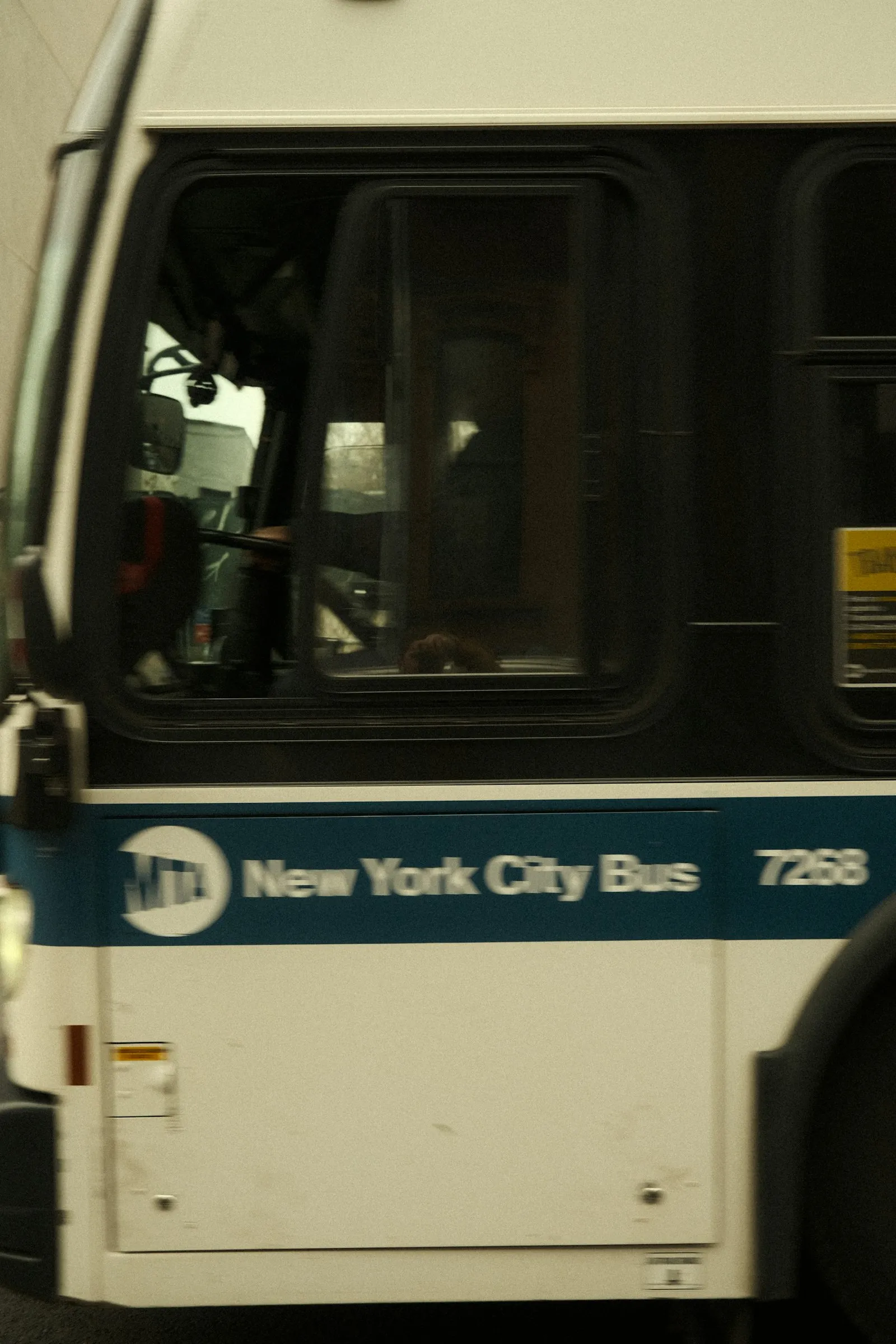
City buses. New York City buses are run by MTA New York City Transit and MTA Bus Company. Claims against these authorities follow special rules, described in the next section. The MTA’s website lists its routes and operations.
Private buses. Charter, tour and coach companies carry commercial insurance, and claims against them generally follow the standard injury deadlines.
School buses. These are often run by private contractors in New York City, and a claim may also involve another driver or a public entity. Our school bus accident guide covers those cases.
In every case, an employer is generally responsible for an employee’s negligence on the job. That means a claim usually runs against the company or authority that employed the driver, not only the driver personally. How careless driving is shown in practice is explained in our article on how bus driver negligence is proven.
The Clock Runs Faster Against the MTA
This is the part we most want you to remember. Claims against the New York City Transit Authority, under Public Authorities Law § 1212, and against the MTA, under Public Authorities Law § 1276, generally require:
- a notice of claim filed within 90 days, following the rules of General Municipal Law § 50-e;
- a 30-day waiting period after the notice before a lawsuit can be filed;
- a lawsuit filed within one year and 90 days.
Expect the authority to ask that you answer questions about the incident under oath. Our explainer on the 50-h hearing describes what that sworn questioning is like and how to prepare.
Ninety days passes quickly when you are in pain, going to appointments and trying to keep your household running. If a city bus was involved, please reach out early so nothing slips by.
For private bus companies, most injury lawsuits must be filed within three years under CPLR § 214. When the injured person is a child, that deadline is generally paused until age 18.
The Evidence That Tells Your Side
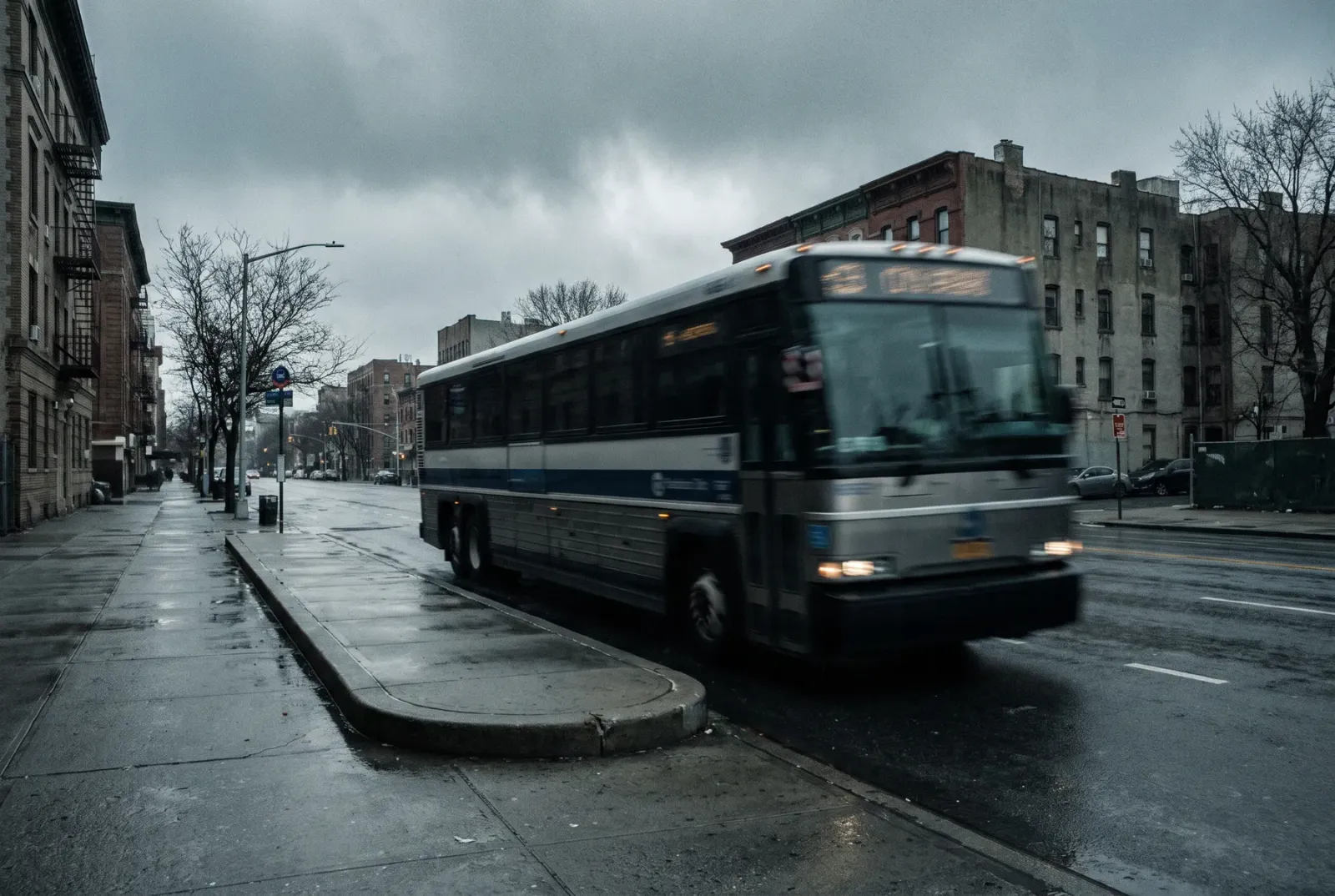
A bus company or authority will have its own account of what happened. Building yours early matters, because some evidence fades or is erased.
Helpful evidence often includes the police report, witness statements, photographs of the scene and your injuries, video from nearby businesses or from the bus itself if it exists, the bus route and schedule, and your full medical records. Your own daily notes about pain and limitations matter too. Our article on keeping an injury diary offers simple ways to start one.
If you could not return to work, records from your employer and your doctors showing why are important. We explain that in more depth in proving inability to work after an injury.
What If You Were Partly at Fault?
People often blame themselves. Maybe you were crossing mid-block, looking at your phone, or riding outside a bike lane. Please do not assume that ends your case.
New York follows pure comparative fault under CPLR § 1411. Your recovery may be reduced by your share of responsibility, but it is not taken away. A bus driver still has duties toward people on foot and on bikes, and those duties do not disappear because someone else made a mistake too. Our page on shared fault in New York explains how the reduction works.
Injuries That Follow a Bus Strike
Because of the weight and height of a bus, the injuries in these cases are rarely minor. People who are hit by a bus may be struck by the front bumper, clipped by a mirror, knocked to the pavement, or caught by a turning rear wheel. Each of those can cause a different kind of harm.
Broken bones in the legs, hips, arms and wrists come up often, along with head injuries from striking the ground. Back and neck injuries are common too, and they do not always require surgery to be serious. Our article on back and neck injuries without surgery explains how those claims are viewed. Cuts, road rash and scarring can follow a fall, and many people carry a lasting fear of crossing streets or riding again.
Some of these injuries are obvious right away. Others, like a concussion or a soft-tissue injury, can take a day or two to show their full effect. That is one more reason to see a doctor promptly and to go back if new symptoms appear.
Talking With Insurers and the Transit Authority
Soon after a crash, you may hear from an insurance representative or a claims office. They may sound friendly and helpful, and they may ask you to describe what happened or to sign forms. It is fine to be polite. It is also fine to say you would like to speak with a lawyer before giving a detailed statement.
Anything you say early on, while you are hurting and perhaps on medication, can be used later to suggest the crash was your fault or that your injuries are small. A quick settlement offer may also arrive before you know how long recovery will take. Once you accept, the claim is usually closed for good, so it is worth waiting until your doctors have a clearer picture.
When a Loved One Does Not Survive
We are so sorry if you are reading this section because someone close to you was killed. Nothing a court does can make up for that loss. A wrongful death claim can, however, help a family with the financial weight that comes afterward.
In New York, a wrongful death claim is generally brought by the personal representative of the estate, usually within two years of the death. Claims involving the MTA or a city entity follow a different timeline with notice requirements of their own, so speaking with a lawyer early is especially important. Our wrongful death practice and our article on who can sue and the deadlines that apply have more detail.

How Our Firm Helps
Working with a hit by a bus lawyer means you do not have to sort out insurers, notice deadlines and transit authorities while you heal. At Yakov Mushiyev & Associates, our bus accident practice handles claims against the MTA, private operators and school bus contractors. We have recovered over $80 million for injured New Yorkers.
The first conversation is free, and there is no fee unless we win. We speak English, Russian and Spanish, and we are happy to meet you at home, in the hospital, or by video if getting to an office is hard right now. You can learn more in our New York bus accident claims guide or get in touch through our contact page.
Questions pedestrians ask after a bus crash
I was hit by a bus while crossing. Who pays my hospital bills?
As a pedestrian, you are generally treated as a non-occupant and receive no-fault benefits through the bus’s coverage. Those benefits help with medical bills and some lost earnings, whoever was at fault.
How long do I have to file a claim against the MTA?
Generally, a notice of claim is due within 90 days, followed by a 30-day waiting period, and a lawsuit must be filed within one year and 90 days. Wrongful death claims follow a different timeline.
Can a cyclist bring a claim after being struck by a bus?
Yes. Cyclists are often treated much like pedestrians for these purposes. The same deadlines apply when the bus belongs to the MTA, and the same evidence matters.
The driver says I stepped out suddenly. Do I still have a case?
Possibly. Under pure comparative fault, your share of blame reduces recovery but does not bar it. Witnesses, video and the scene itself often tell a fuller story than the driver’s account.
How do I reach the firm?
Call 718.775.3110 for a free consultation in English, Russian or Spanish.
Visit Yakov Mushiyev & Associates
Our office is at 1 Cross Island Plaza, Suite 325, Rosedale, NY 11422, just off the Cross Island Parkway on the Queens–Nassau border. If you can’t come to us, we’ll come to you: at home, in the hospital or by video.

Talk to a Queens bus accident lawyer today
Yakov Mushiyev & Associates has recovered over $80 million for injured New Yorkers across the five boroughs and Nassau County. Consultations are free, available in English, Russian and Spanish, and there is no fee unless we win.
Call 718.775.3110 or contact us online for a free case review.
This article is general information, not legal advice. Every case is different. Attorney Advertising.