
Most of what people “know” about car accident claims comes from a brother-in-law, a TV commercial or a comment thread. Some of it is harmless. Some of it quietly wrecks a case before it starts. If you were hurt in a crash on Sunrise Highway, Merrick Road or anywhere else in the Village of Lynbrook, this guide from a car accident lawyer Lynbrook drivers can reach in minutes takes the most common myths one at a time and puts the facts next to them.
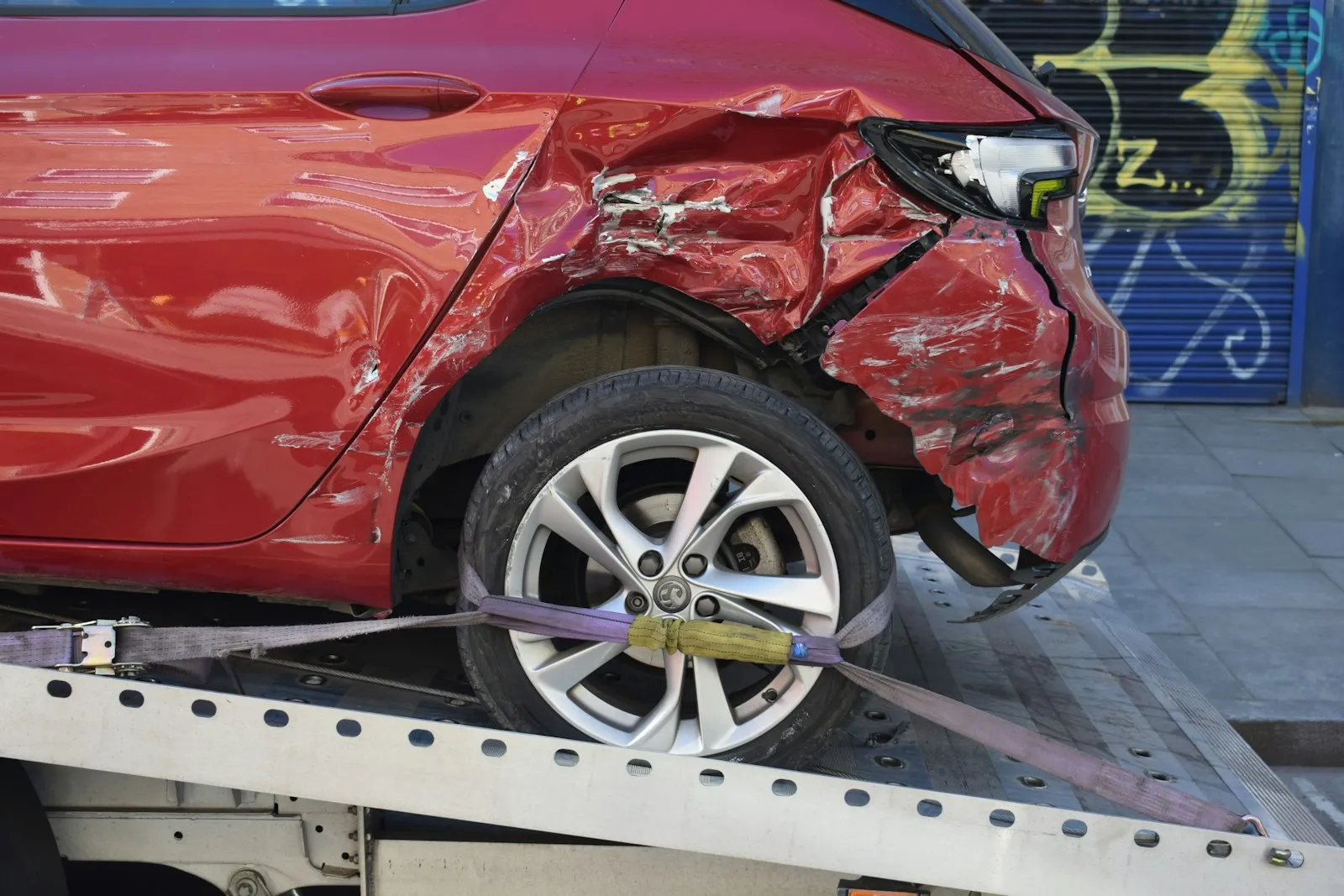
Lynbrook packs a lot of traffic into a small footprint. Sunrise Highway cuts across the village with its commuter rush, Merrick Road carries steady local traffic, Peninsula Boulevard and Atlantic Avenue feed cars in from neighboring communities, and the blocks around the Lynbrook LIRR station fill up every morning and evening with drivers hunting for parking, dropping off riders and pulling out in a hurry. Crashes happen in all of those settings, and the same bad advice follows every one of them.
Why Myths Do So Much Damage After a Lynbrook Crash
New York’s system for car accident injuries is not intuitive. It mixes a no-fault insurance layer with a separate fault-based lawsuit layer, and each one runs on its own clock with its own paperwork. When people rely on half-remembered rules, they miss deadlines, give away leverage or assume they have no case at all. The myths below are the ones we hear most often from people across Nassau County. Each one is followed by what New York law generally says.
Every crash is different. Treat this as orientation, not advice about your own case.

Myth vs. Fact: The Insurance Side
Myth 1: “If the crash was my fault, I can’t get anything.”
Fact: New York is a no-fault state for basic economic losses. Your no-fault coverage generally pays medical bills and part of your lost wages no matter who caused the collision. Fault matters for a separate pain-and-suffering claim, but even there, New York uses pure comparative fault under CPLR § 1411. That means your recovery is generally reduced by your share of the blame rather than wiped out. A driver found 30 percent responsible can still recover the remaining 70 percent of their damages. Our guide on comparative negligence in New York walks through how shared fault is weighed.
Myth 2: “No-fault has no real deadline. I’ll file once I know how bad it is.”
Fact: This one costs people the most. Get the no-fault paperwork in fast; insurers generally expect it within 30 days. Thirty days goes by fast when you are dealing with doctor visits, a damaged car and missed work. Filing late can give the insurer a reason to deny benefits you would otherwise have received. The New York no-fault insurance claims guide on our site explains what the application asks for and what happens after you submit it.
Myth 3: “No-fault covers everything, so I don’t need anything else.”
Fact: No-fault is a floor, not a ceiling. It pays medical bills and a portion of lost wages. It does not pay for pain, suffering or the loss of the life you had before the crash. To pursue those losses against the at-fault driver, New York generally requires that you meet the “serious injury” threshold in Insurance Law § 5102(d). Examples include:
- a fracture;
- a significant limitation of use of a body function or system;
- an injury that keeps you from performing substantially all of your usual daily activities for 90 of the first 180 days after the crash.
If you broke a bone, our page on fracture claims and the serious injury rule goes deeper. If your injury is to the back or neck, see our post on back and neck injury settlements without surgery.
Myth 4: “The other driver had no insurance, so there’s nobody to collect from.”
Fact: Uninsured drivers and hit-and-runs are frustrating, but they are not dead ends. Your household’s uninsured motorist coverage is often the first place to look. If no household policy applies, the Motor Vehicle Accident Indemnification Corporation (MVAIC) may step in. These claims have their own notice requirements, so report the crash to police promptly and get the paperwork moving early.
Myth vs. Fact: Reporting and Evidence
Myth 5: “The police showed up, so the paperwork is handled.”
Fact: A police report and a DMV report are two different things. In Lynbrook, many local crashes are handled by the village’s own Lynbrook Police Department, and officers will document what they see. That does not take care of your obligation to the state. Under New York rules, each driver involved must generally file DMV Form MV-104 within 10 days if anyone was injured or property damage exceeds $1,000. With today’s repair costs, even a fender bender on Atlantic Avenue can cross that line.
Myth 6: “I feel fine, so I’ll skip the doctor.”
Fact: Adrenaline masks a lot. Neck, back and head injuries often announce themselves hours or days later. A gap between the crash and your first medical visit is one of the first things an insurer points to when arguing your injury came from somewhere else. Get checked, follow up and keep records. A written log helps too; our post on keeping an injury and symptom diary shows what to track and why it matters later.

Myth vs. Fact: Deadlines and Who Pays
Myth 7: “I have years to sue, so there’s no rush.”
Fact: Partly true, mostly dangerous. Most personal injury lawsuits in New York must be filed within three years under CPLR § 214. But that is the outer edge, not the working timeline. The 30-day no-fault window and the 10-day MV-104 window open and close long before three years are up. And if a government body is involved, the clock is far shorter.
Myth 8: “If a village vehicle or a bad road caused the crash, it’s the same as suing anyone else.”
Fact: Claims against a municipality follow their own rules. If a village or county vehicle hit you, or a road defect the municipality was responsible for played a part, you generally must serve a notice of claim within 90 days under General Municipal Law § 50-e. A lawsuit then generally has to be filed within one year and 90 days under GML § 50-i. The municipality may also demand a 50-h hearing, which is a sworn examination before the suit. Our guide to filing a notice of claim against a municipality in Nassau County and our explainer on the 50-h hearing cover both steps.
Where Lynbrook Crashes Tend to Happen
Every road in the village has its own pattern. Knowing the setting helps when you are piecing together what went wrong.
- Sunrise Highway: heavy commuter volume, frequent lane changes and drivers turning toward the station area. Rear-end and sideswipe collisions are common types on roads like this.
- Merrick Road: local businesses, side-street entrances and parked cars create turning conflicts and door-zone risks.
- Peninsula Boulevard and Atlantic Avenue: through traffic moving between Lynbrook and nearby communities, with intersections where right-of-way disputes come up.
- The LIRR station area: drop-offs, pickups, rideshare stops and pedestrians crossing to catch a train, all compressed into rush hour.
If you were a rideshare passenger in one of those station pickups, our page for people injured in an Uber or Lyft accident in Lynbrook addresses the extra insurance layers involved. Riders on two wheels can turn to our Lynbrook scooter and motorcycle accident page. For a broader view of how these claims move, see our car accident practice page.
What a Lawsuit Looks Like in Nassau County
When a claim cannot be resolved with the insurer, a lawsuit for a Lynbrook crash is typically filed in Nassau County Supreme Court in Mineola. Filing a case does not mean it will go to trial; many cases resolve along the way. The process generally includes exchanging records, depositions and, often, a defense medical exam. Our post on what an IME is explains that exam, and how a car accident lawsuit works in New York lays out the stages from start to finish.
If the crash kept you out of work, documentation of lost income becomes central. Our guide to proving inability to work after an injury covers what records tend to carry weight.
A Quick Checklist for the First Few Weeks
Here is the short version, in roughly the order it matters:
- Get medical care and keep every record and receipt.
- File your no-fault application, generally within 30 days.
- File the MV-104 within 10 days if anyone was hurt or damage tops $1,000.
- Get the police report number from the responding department.
- Photograph the vehicles, the scene and your injuries.
- If a village or county vehicle or road may be involved, note the 90-day notice of claim deadline.
- Speak with a lawyer before giving a recorded statement to the other driver’s insurer.
Why Talk to a Car Accident Lawyer Lynbrook Residents Can Meet Locally
Our office at 1 Cross Island Plaza sits near the Cross Island Parkway, a short drive from the village. Attorney Yakov Mushiyev and the firm have recovered over $80 million for injured New Yorkers. Talking to us costs nothing, and we’re paid only if you recover. We speak English, Russian and Spanish, and we can meet you at home, in the hospital or by video if getting to an office is hard right now.
A good car accident lawyer Lynbrook families hire should do more than file forms. The job is to track every deadline, gather the evidence before it disappears, measure the injury against the serious injury rules and deal with insurers so you can focus on recovering. You can reach us through the contact page or by phone at 718.775.3110. If your crash happened just west of the village, our neighboring Valley Stream personal injury page and our Elmont accident guide may also help.
Frequently Asked Questions
Does the Lynbrook Police Department report replace the DMV MV-104?
No. The police report is the department’s own record. The MV-104 is a separate state filing that each driver generally must submit within 10 days when someone was injured or damage exceeds $1,000.
Can I still recover if I was partly at fault for a crash on Sunrise Highway?
Generally, yes. New York’s pure comparative fault rule reduces your recovery by your percentage of fault instead of barring it. Even a driver who carries most of the blame may recover a reduced share.
What if a village vehicle hit me in Lynbrook?
Claims against a village, town or county generally require a notice of claim within 90 days, and the lawsuit generally must follow within one year and 90 days. The municipality may also demand a 50-h hearing before suit. These deadlines are much shorter than the usual three years.
Where would my case be filed if it goes to court?
Lawsuits arising from crashes in Lynbrook are typically filed in Nassau County Supreme Court in Mineola. Many cases resolve before trial, but filing on time preserves your rights while negotiations continue.
How much does it cost to talk to the firm?
Nothing. The consultation is free, and the firm works on a no fee unless we win basis, so there is no upfront cost to have your situation reviewed.
Visit Yakov Mushiyev & Associates
Our office is at 1 Cross Island Plaza, Suite 325, Rosedale, NY 11422, just off the Cross Island Parkway on the Queens–Nassau border. If you can’t come to us, we’ll come to you: at home, in the hospital or by video.

Talk to a Lynbrook car accident lawyer today
Yakov Mushiyev & Associates has recovered over $80 million for injured New Yorkers across the five boroughs and Nassau County. Consultations are free, available in English, Russian and Spanish, and there is no fee unless we win.
Call 718.775.3110 or contact us online for a free case review.
This article is general information, not legal advice. Every case is different. Attorney Advertising.