
When a crash or a workplace accident takes part of an arm, a hand, a leg or a foot, the injury itself happens in a moment, but its consequences unfold over the rest of a life. That is the starting point for any good amputation injury lawyer in New York: the claim is less about the day of the accident and more about the forty or fifty years that follow it. This guide is written for you and for the people who love you, to explain how these cases tend to work, what they should account for, and why patience usually serves you better than speed.
Thinking in Decades, Not Months
Most people meet the legal system for the first time while still in the hospital or in early rehabilitation. The questions that feel urgent then are the immediate ones: Who pays the surgeon? When can I go home? Will my job still be there? A limb loss claim asks you to look further ahead than feels natural right now.
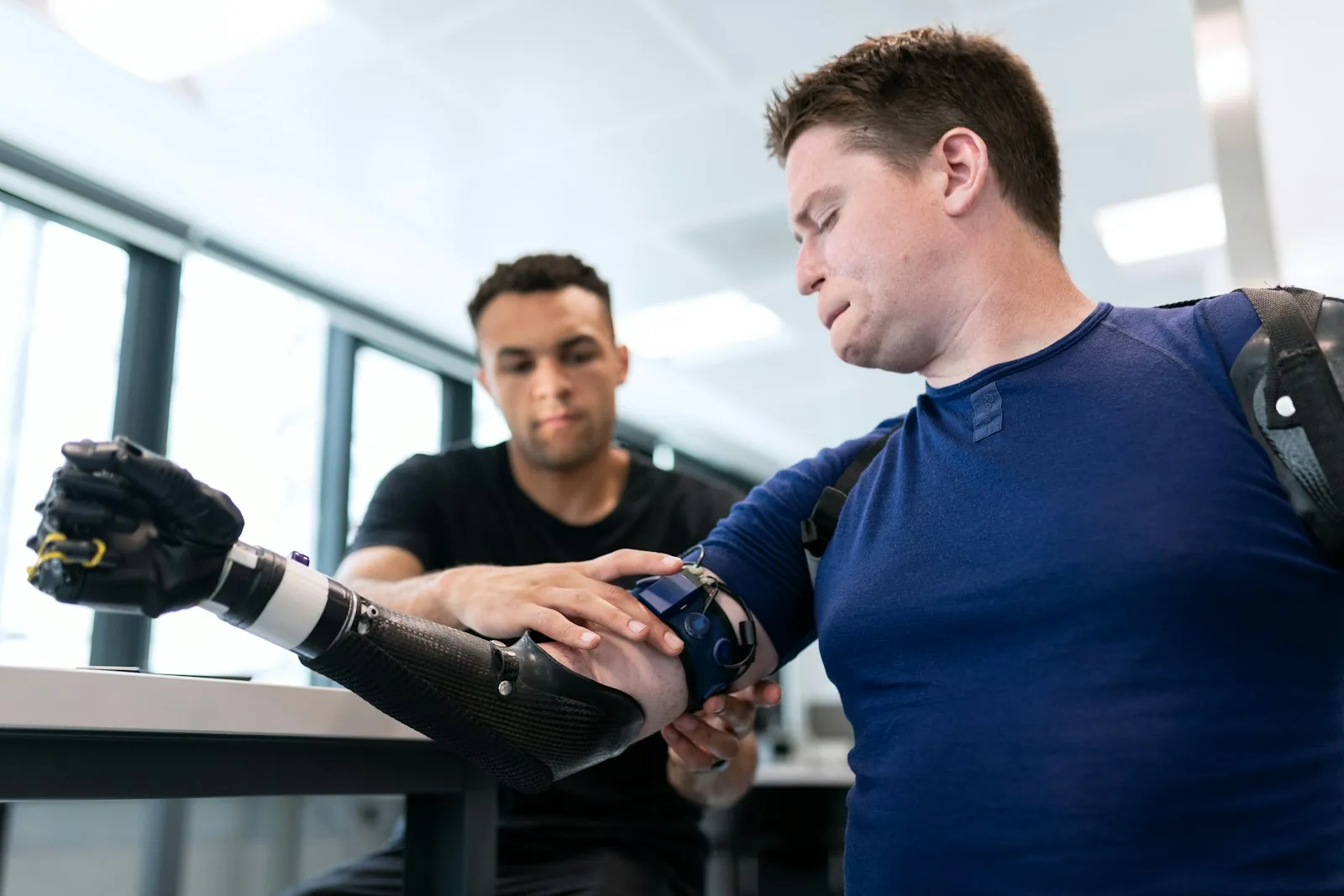
Consider what the next several decades may hold. A first prosthetic device is rarely the last. Residual limbs change shape, especially in the first year or two, and sockets have to be refitted. Components wear out with ordinary use and are replaced on a cycle. Technology improves, and a device that suits you at forty may not suit you at sixty-five. Your home may need a ramp, a wider doorway, a walk-in shower. Your car may need hand controls or a left-foot accelerator. Your career may need to change direction entirely.
A settlement or verdict is generally a single event. Once it is final, you cannot reopen it because a knee joint failed sooner than expected or because your doctor now recommends a different device. That is why the work of an injury claim after an amputation is, at its core, a planning exercise.
How These Injuries Happen in New York
Traumatic amputations come from a handful of familiar situations, and each brings its own set of rules.
- Motor vehicle crashes. High-speed collisions on the Belt Parkway, the Cross Island or the Long Island Expressway can crush or sever a limb, and so can lower-speed impacts when a driver or passenger is pinned. Our car accident practice handles many of these.
- Truck collisions. The weight of a tractor-trailer or box truck changes everything about the physics of a crash. Owners and employers of commercial drivers often share responsibility, a topic covered on our truck accident page.
- Motorcycle crashes. Riders have almost no protection for their legs, and lower-limb amputations are a sad reality of serious motorcycle collisions. Insurers frequently raise helmet and fault arguments in these cases, which we discuss in our guide to motorcycle claims in Queens.
- Construction sites. Falls from height, collapsing materials, and equipment that shifts without warning can all result in crush injuries.
- Industrial machinery. Presses, conveyors, saws, augers and other equipment without proper guarding remain a leading cause of hand and finger loss in factories, warehouses and food-processing plants.
Some amputations happen at the scene; others follow days later, after surgeons tried and failed to save a crushed limb.
Meeting New York’s Serious Injury Threshold
In most New York car, truck and motorcycle cases, no-fault insurance pays your medical bills and part of your lost wages regardless of who caused the crash. To recover for pain and suffering from the at-fault driver, though, you generally have to show a “serious injury” as defined in Insurance Law § 5102(d).
The statute lists several categories. Two of them speak directly to your situation: dismemberment, and permanent loss of use of a body organ, member, function or system. For that reason, the threshold is generally met in amputation cases without the extended disputes that surround, for example, soft-tissue neck injuries. If you are curious how different that fight can look, our piece on whiplash and soft-tissue claims walks through it.
Clearing the threshold does not settle the case, of course. Fault still has to be established, and New York’s pure comparative fault rule under CPLR § 1411 means any share of responsibility assigned to you reduces your recovery without eliminating it.
What a Full Recovery Claim Should Include
The categories of damages in an amputation case are broad, and each one deserves careful attention. Leaving one out, or underestimating it, can mean you carry that cost yourself for decades.
Pain and suffering, past and future
This covers the physical pain of the injury and the surgeries that followed, and it also reaches the emotional weight of losing part of your body. Many people experience phantom limb pain, the sensation of pain in a limb that is no longer there. It can be intermittent or persistent, and it is a recognized part of what a jury may consider. So are grief, changes in how you see yourself, strain on relationships, and the loss of activities you once loved. These are not soft or secondary harms. They are often the heaviest part of the experience.
Future medical care and prosthetic replacement
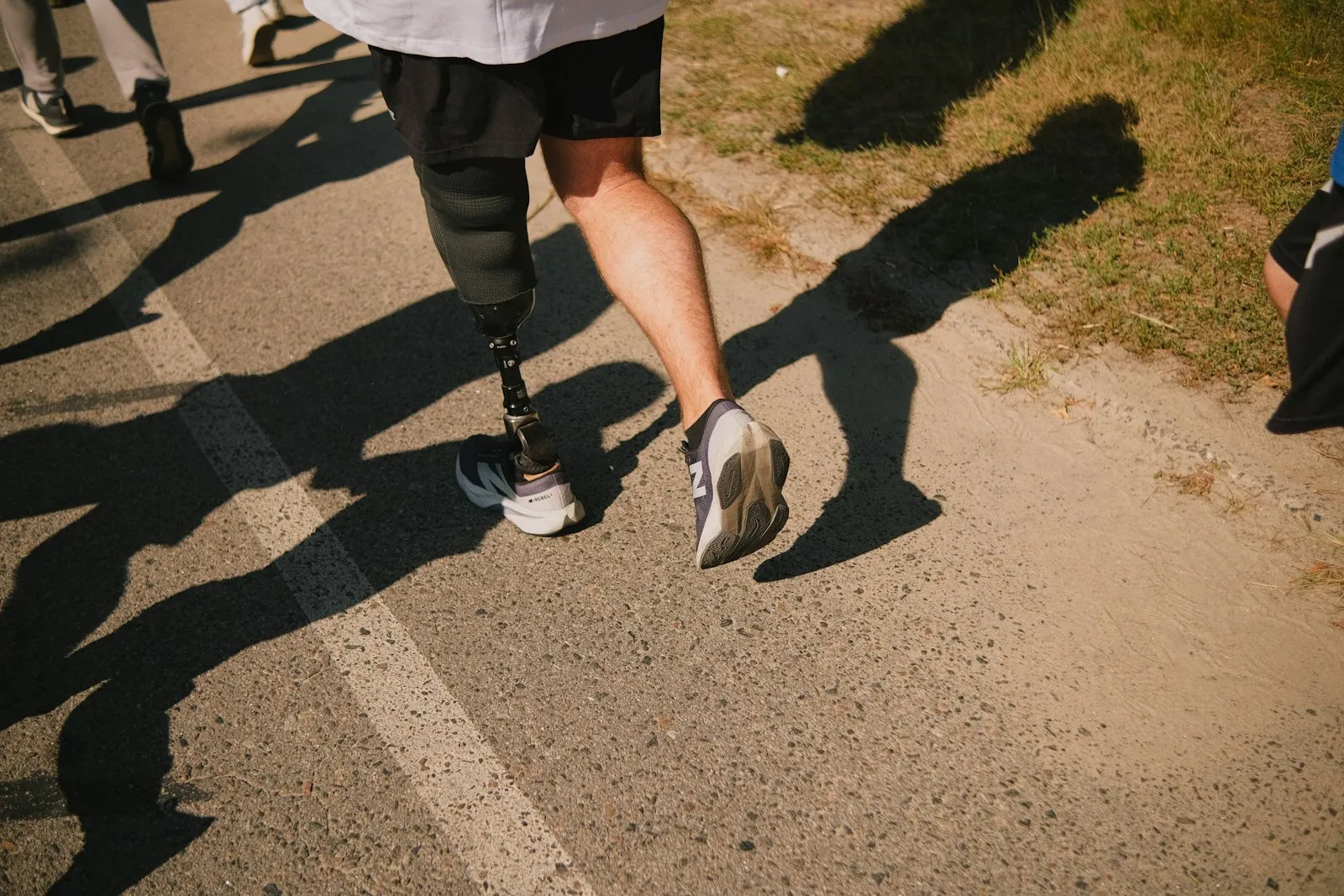
A prosthetic limb is a medical device with a working life, not a one-time purchase. Sockets, liners, feet, knees, hands and electronic components wear out and are replaced periodically. Add ongoing visits to a prosthetist, physical and occupational therapy, pain management, possible revision surgeries, and care for skin problems at the residual limb. Our guide to how future medical expenses are calculated explains the general method in more detail.
Rehabilitation, home and vehicle changes
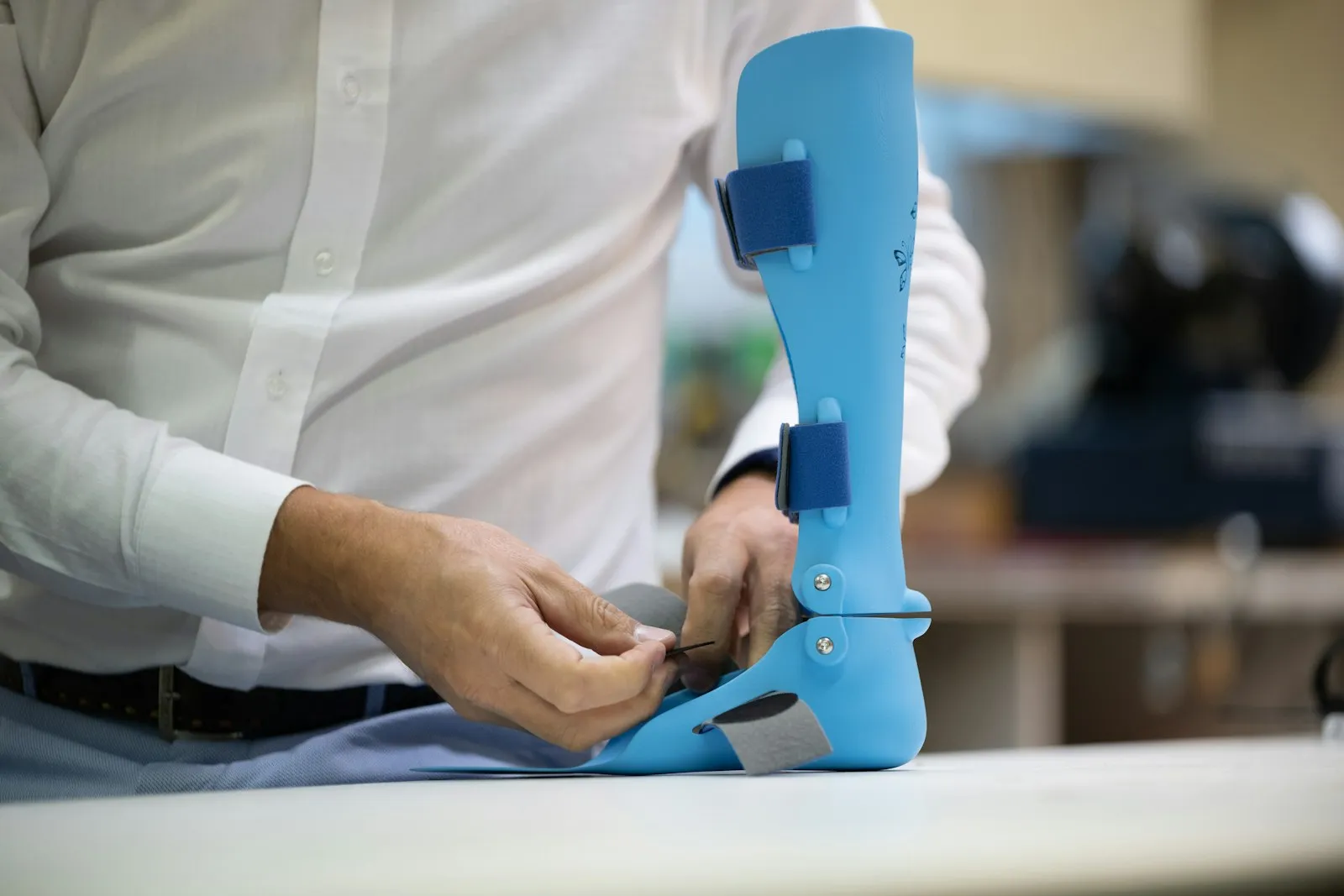
Gait training, strength work and adaptive skills training help you return to daily life. Your home may need structural changes, and you may need a modified vehicle or adaptive equipment for cooking, bathing and dressing. Each of these has a cost, and many have recurring costs.
Lost earnings and lost earning capacity
There is a difference between the wages you missed while recovering and the earning power you have lost for the rest of your working life. A carpenter who loses a hand, or a delivery driver who loses a leg, may never return to that line of work. Showing that loss usually requires vocational evidence and medical support, a subject we cover in our article on proving inability to work.
The Role of Life Care Planners and Economists
Because these damages stretch so far into the future, they are often supported by professionals whose work is to project them carefully. A life care planner, frequently a nurse or rehabilitation specialist, works with your doctors and prosthetist to map out the care you will likely need over your lifetime: how often devices will be replaced, which therapies you will need and for how long, what equipment and home changes make sense. An economist then translates that plan, along with your lost earning capacity, into present-day figures that account for factors such as inflation and the time value of money.
This work depends on information that may not exist in the first months after the injury.
Why Settlement Timing Matters So Much
Insurance companies sometimes make early offers in serious cases. It can be tempting to accept one, particularly when bills are piling up and life feels uncertain. But early in recovery, no one, not you, not your doctors and not your lawyer, fully knows what your future looks like.
In general, it is wiser to wait until you have been fitted with a definitive prosthesis, have worked with it for a while, and your treating physicians can speak with some confidence about your long-term prognosis. Only then can a life care plan reflect your actual needs rather than a guess. Once you sign a release, the case is closed for good, which is why we encourage everyone to read our explanation of what a settlement release form does before signing anything.
When the Amputation Happened at Work
Workplace amputations follow a different path, and families are often told, incorrectly, that workers’ compensation is the only option.
It is true that workers’ compensation is generally the exclusive remedy against your own employer. Comp benefits cover medical care and a portion of lost wages, and they include schedule awards for the loss of certain body parts. But comp does not pay for pain and suffering, and it does not bar claims against other parties whose negligence contributed to the accident.
Construction site claims
New York’s Labor Law places specific safety duties on property owners and general contractors. Labor Law § 240(1) addresses elevation-related hazards such as falls from scaffolds and ladders, or loads that fall from above. Labor Law § 241(6) requires compliance with specific construction safety rules. When those duties are breached and a worker loses a limb, the owner and contractor may be responsible even though the worker’s own employer is shielded. Our construction accident practice and our guide to Labor Law 240 and 241 claims go into more depth.
Defective machinery
When a press, saw or conveyor lacked a proper guard, had a faulty safety interlock, or was designed in a way that put hands in harm’s way, the manufacturer or distributor may face a product liability claim. Our machinery accident page and our article on defective products on construction sites explain how these claims are approached.
The “grave injury” exception
There is one more piece that matters specifically to amputation cases. Under Workers’ Compensation Law § 11, a third party sued by an injured worker can seek contribution or indemnity from the worker’s employer only when the worker has suffered a “grave injury.” The statute’s list of grave injuries includes amputation of an arm, leg, hand or foot, and loss of multiple fingers or multiple toes, among others. It can shape how defendants approach the case.
Deadlines You Should Keep in Mind
Even when the long view is the right one, certain dates cannot be moved.
- Most injury lawsuits: generally three years from the date of the accident under CPLR § 214.
- Claims against New York City or another municipality: a notice of claim is generally due within 90 days under General Municipal Law § 50-e, with suit generally required within one year and 90 days. This can apply if a city vehicle, a city bus or a dangerous public condition was involved.
- No-fault benefits: the application is generally due within 30 days of a motor vehicle accident.
- Wrongful death: if a family member did not survive, the claim is generally due within two years of the death.
The 90-day municipal deadline can arrive while you are still in rehabilitation, which is one reason to speak with counsel early.
Choosing an Amputation Injury Lawyer Who Plans Ahead
When you sit down with an amputation injury lawyer, it is fair to ask how they think about the future. Do they work with life care planners and economists? Do they understand how often prosthetic components are replaced? Will they counsel patience when an early offer arrives, or push for a quick close?
At Yakov Mushiyev & Associates, attorney Yakov Mushiyev and our team have recovered over $80 million for injured New Yorkers. Our office sits at 1 Cross Island Plaza, near the Cross Island Parkway on the Queens and Nassau border, and we represent clients throughout Queens, the rest of New York City and Nassau County. We speak English, Russian and Spanish. Because travel is often hard after an amputation, we meet clients at home, in the hospital or by video. A first meeting costs nothing, and we are paid only if the case succeeds. You can reach us through our contact page or by calling 718.775.3110.
Frequently Asked Questions
Does an amputation automatically qualify as a serious injury in a New York car crash?
Insurance Law 5102(d) lists dismemberment and permanent loss of use of a body member among its serious injury categories, so the threshold is generally met. You still need to prove the other driver was at fault, and your own share of fault, if any, can reduce what you recover.
Will my claim cover replacement prosthetics years from now?
It should, if the claim is built properly. Future prosthetic replacement, maintenance and refitting are part of future medical damages, and they are usually projected by a life care planner working with your treating providers. Because a final settlement cannot be reopened, those future costs need to be accounted for before the case closes.
I lost my hand at work. Is workers’ compensation my only option?
Workers’ compensation is generally the only remedy against your employer, but other parties may also be responsible. On a construction site, owners and general contractors may be liable under the Labor Law. If a machine was defective or lacked proper guarding, its manufacturer may be liable. An amputation injury lawyer can review who else was involved.
How long should I wait before settling?
There is no single answer, but it is generally better to wait until you have a definitive prosthetic fitting and your doctors can describe your long-term outlook with some confidence. Settling before then risks leaving future needs unpaid. Deadlines for filing suit still apply in the meantime, so the legal work should move forward while your recovery does.
Is phantom limb pain part of my claim?
Yes. Phantom limb pain, along with the emotional effects of limb loss such as grief, anxiety and changes in daily life, falls within pain and suffering. Telling your doctors about it, and keeping notes on how it affects you, helps document it.
Visit Yakov Mushiyev & Associates
Our office is at 1 Cross Island Plaza, Suite 325, Rosedale, NY 11422, just off the Cross Island Parkway on the Queens–Nassau border. If you can’t come to us, we’ll come to you: at home, in the hospital or by video.

Talk to a New York amputation injury lawyer today
Yakov Mushiyev & Associates has recovered over $80 million for injured New Yorkers across the five boroughs and Nassau County. Consultations are free, available in English, Russian and Spanish, and there is no fee unless we win.
Call 718.775.3110 or contact us online for a free case review.
This article is general information, not legal advice. Every case is different. Attorney Advertising.