
A broken tooth seems like a small thing until you are the one running your tongue over the jagged edge every five minutes. If an accident in Queens, elsewhere in New York City or out in Nassau County left you with chipped, cracked or missing teeth, you probably have a pile of practical questions and not much patience for legal jargon. This is the plain-talk version of what a dental injury lawyer would want you to know, organized around the questions people tend to ask first.
One quick note before we start: this article is about accidents. It is not about a dentist who made a mistake in the chair. Dental malpractice is a different kind of case with its own rules, and we are not covering it here.
What Counts as an Accident-Related Dental Injury?
Pretty much any event where somebody else’s carelessness sent force into your mouth. The usual suspects look like this:
- Car crashes. Your face meets the steering wheel, the dashboard or a deploying airbag. Passengers in the back seat can hit the headrest in front of them.
- Slip and falls and trip and falls. When people go down fast, they often land face-first because their hands do not come up in time. A greasy kitchen floor, a broken step or a lifted sidewalk slab can all do it.
- Dog bites to the face. Bites around the mouth can damage lips, gums and the teeth underneath.
- Bicycle and e-bike falls. A car door opens into the bike lane, or a pothole flips the front wheel, and the rider’s chin and teeth take the hit.
- Assaults at bars and clubs. A punch or a shove into a table edge can knock teeth loose, and the venue’s security or alcohol service may become part of the story.
Will No-Fault Pay My Dentist After a Car Accident?
Generally, yes, and this surprises a lot of people.
New York’s no-fault system covers what the statute calls “basic economic loss,” and Insurance Law § 5102(a)(1) spells out the categories of necessary expenses. Dental services are right there on the list, next to medical, hospital, surgical, ambulance and x-ray services. So the emergency visit, the temporary crown and the follow-up appointments after a crash can usually be submitted to no-fault, regardless of who caused the collision.
A few practical points:
- Get your no-fault paperwork in fast: the usual cutoff is 30 days after the crash.
- If you were on foot when a car hit you, the striking vehicle’s policy is usually where your no-fault benefits come from.
- No-fault also covers part of your lost wages, which matters if you missed work for oral surgery.
Our no-fault guide goes deeper into forms, deadlines and denials. And if your crash involved another driver, our car accident practice page explains how we approach those cases from start to finish.
No-fault has limits, though. Pain and suffering is outside its job description. For that, you have to look past no-fault to the at-fault driver, which brings us to the next question.
Does a Cracked Tooth Count as a “Serious Injury”?
Here is where we have to tap the brakes and be careful.
In a car case, you generally cannot recover pain and suffering from the other driver unless the harm qualifies under the list of “serious” injuries written into Insurance Law § 5102(d). Two of the categories on that list are a “fracture” and “significant disfigurement.” A broken tooth sounds like a fracture, and a gap in your front teeth sounds like disfigurement. So the argument writes itself, right?
Not always.
Courts have not treated every tooth injury the same way. Some dental injuries have been argued under the fracture category, others under disfigurement, and outcomes have varied depending on the facts, the medical proof and how the injury was presented. A cracked molar nobody can see is a different conversation from a missing front tooth.
What helps: clear records from a dentist or oral surgeon describing exactly what broke and how, imaging that shows the damage, and photos that show how your smile looked before and after.
The good news is that this threshold applies only to motor vehicle cases. More on that below.
I Fell in a Store and Broke My Teeth. Is That a Different Kind of Case?
It is, and in one important way it can be simpler.
Slip and fall, trip and fall and other premises cases do not carry the no-fault “serious injury” threshold. If a property owner’s negligence caused your fall, a broken tooth can support a claim for pain and suffering without first clearing that hurdle.
The hard part in premises cases is usually notice. Generally, you have to show the owner created the hazard or knew about it, or that it was visible and had been there long enough that staff should have found and fixed it. If you went down in a dining spot, our companion piece on restaurant falls on wet floors and grease walks through how those cases tend to unfold, and our slip and fall practice page covers the broader picture.
Sidewalk falls on city property, or injuries on a city bus, add an extra wrinkle: a notice of claim, which we will get to in the deadlines section.
A Dog Bit My Face. What About My Teeth and Lips?
Dog bite cases also skip the no-fault threshold, so damage to teeth, gums or lips can be part of the claim directly. Face bites often bring stitches in the lip and a scar along with the dental damage.
Our guide on how scar injuries are valued explains the factors that usually matter. For the legal side of the bite itself, see our dog bite practice page.
What About Bike Falls and Bar Fights?
Two quick ones.
Bike and e-bike falls. If a driver, a door or a road defect put you on the pavement, the claim usually runs against whoever caused it. When a motor vehicle was involved, no-fault may apply, and the threshold discussion above may come back into play. Cyclists can find more in our Queens bicycle and e-bike article.
Assaults. The person who hit you is responsible, but they may not have assets worth chasing. Two other angles sometimes help:
- Negligent security. A bar or club that knew about fights on its premises and did nothing reasonable to prevent them may share responsibility. Our piece on negligent security claims in NYC explains the idea.
- The Dram Shop Act. Under General Obligations Law § 11-101, a person hurt by a drunk patron may be able to pursue the business that illegally poured the drinks, such as a bartender who kept serving someone obviously intoxicated.
Your Dental Treatment Timeline, Step by Step
Dental injuries rarely get fixed in one visit. A typical path after an accident looks something like this:
- Emergency care. An ER visit or an urgent dental appointment to control bleeding, check for jaw fractures and stabilize loose teeth.
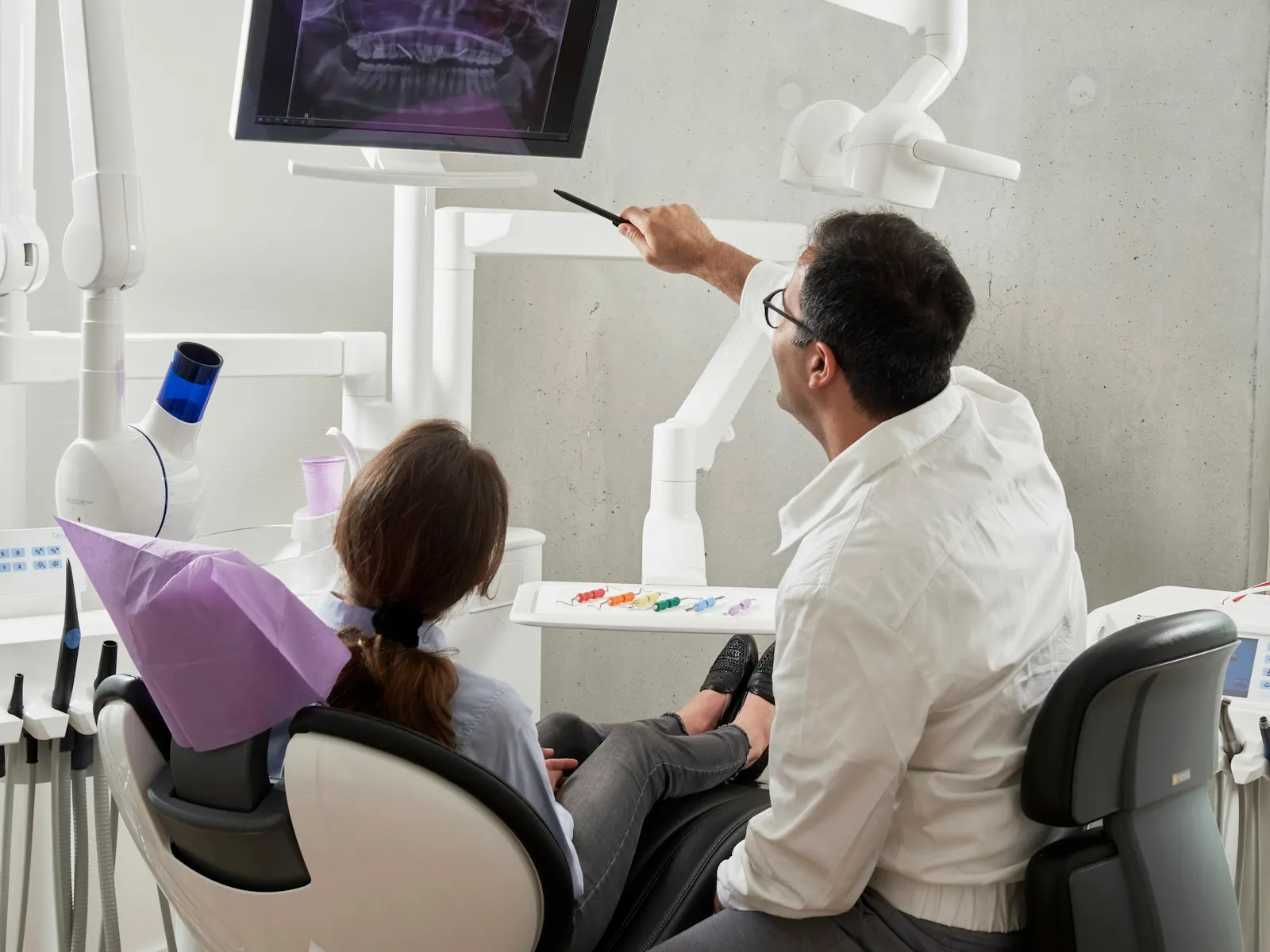
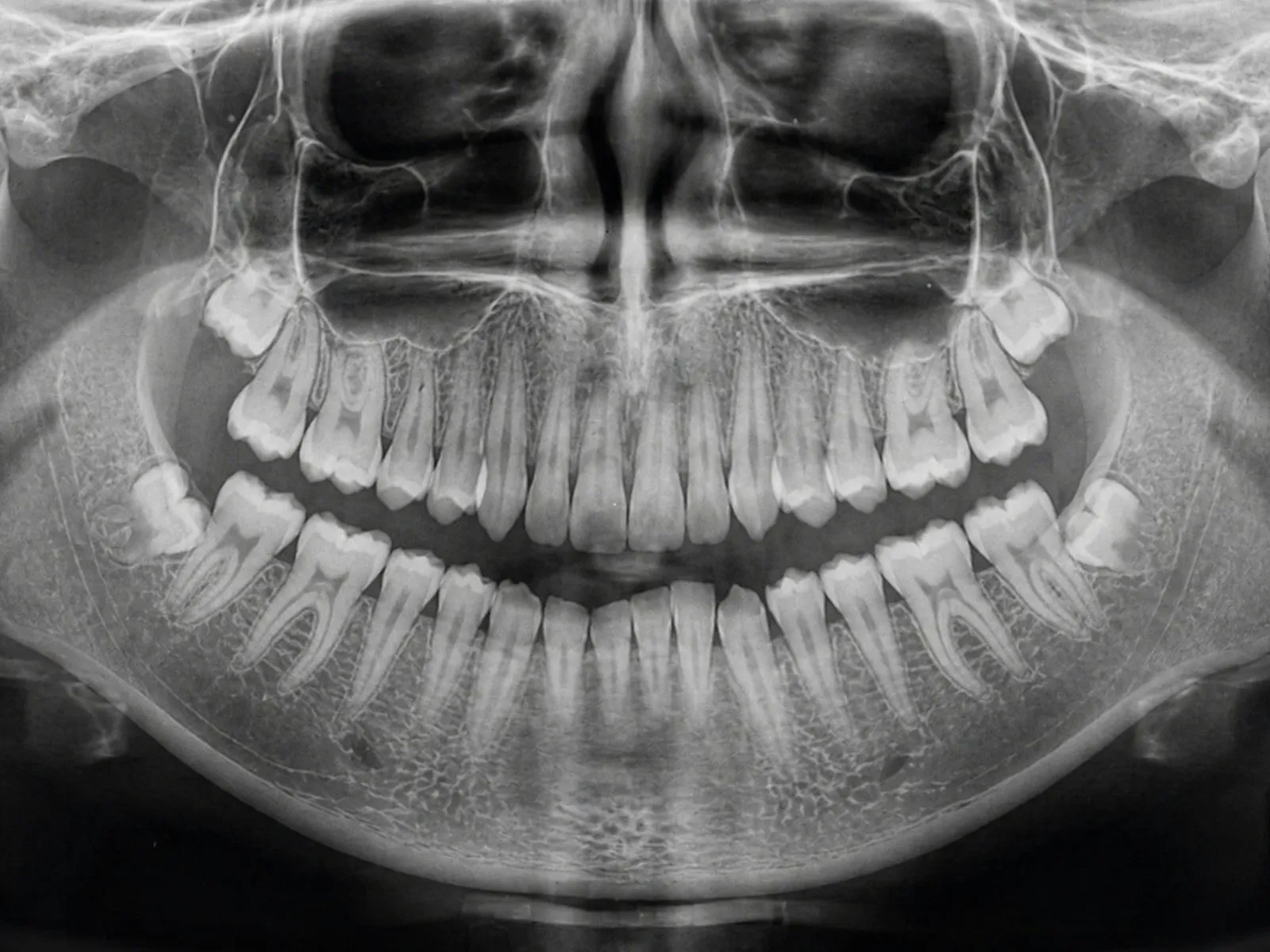
- Imaging. X-rays, and sometimes a panoramic film or a scan, to see roots, bone and anything hiding below the gumline.
- Temporary repair. Bonding, a temporary crown, or splinting teeth that got knocked out of place.
- Root work. A cracked tooth can injure the nerve, and that sometimes shows up weeks later as pain or discoloration.
- Permanent restoration. Crowns, bridges, implants or extractions, depending on what can be saved.
- Follow-up and long-term care. Check-ins to make sure the repair holds, plus any bite adjustments or jaw treatment.
Follow your dentist’s plan and keep the appointments. Gaps in treatment are something insurers love to point at.
What About Dental Work I’ll Need Years From Now?
This is the part people most often underestimate.
A crown is not forever. Implants and bridges can need maintenance or replacement down the road, and a tooth that survived the accident with a crack may need more work later. A good claim accounts for that future care, not just the bills you already have in a folder.
That usually means getting your treating dentist or a specialist to describe, in writing, what future treatment is reasonably expected. Our guide on calculating future medical expenses in a settlement walks through how those projections are generally built.
Jaw injuries deserve a mention too. A hard blow to the face can cause jaw fractures or TMJ problems: clicking, locking, pain when you chew, headaches. These sometimes show up after the teeth themselves are repaired, so tell your dentist and your doctor about any jaw symptoms, even if they seem minor. For general background on keeping your mouth healthy during recovery, the CDC’s oral health pages are a reasonable starting point. For anything specific to your injury, see your own dentist or doctor and follow up as they recommend.
What Evidence Should I Be Saving?
Short answer: more than you think. A quick checklist:
- Dental and medical records from every provider, including the ER.
- X-rays and imaging, both from right after the accident and from later visits.
- Before photos. Wedding pictures, vacation shots, social media selfies, anything showing your smile before the accident.
- After photos, taken over time as treatment progresses.
- The broken tooth fragments, if you have them. Put them in a small sealed bag or container and label it with the date.
- Receipts for dental bills and prescriptions.
- A simple symptom log. Pain when eating, foods you have had to give up, sleep problems, self-consciousness at work.
That last item is easier if you start early. Our tips on keeping an injury and symptom diary can help you get going.
What If the Other Side Says I Was Partly to Blame?
They might, especially if you were glancing at your phone when you tripped.
Under CPLR § 1411, New York shaves your recovery by your percentage of blame instead of throwing the claim out. If a jury decided you were 20 percent responsible, you would generally recover 80 percent of your damages. Our comparative negligence primer covers how these arguments tend to play out.
How Long Do I Have to Do Something About It?
This depends on who caused the injury, and the windows are not all the same length:
- Most negligence claims against a private driver, store or property owner: generally three years under CPLR § 214.
- A city sidewalk, a city bus or another municipal defendant: General Municipal Law § 50-e usually requires you to put the city on formal written notice within 90 days, and the case itself typically must start no later than a year and 90 days out. See our guide to municipal time limits for specifics.
- A claim against the person who assaulted you: intentional torts like assault and battery generally must be brought within one year under CPLR § 215.
A dental injury lawyer will usually check these dates in the first conversation, because the 90-day and one-year windows close fast.
Who Can Help With a Broken-Teeth Claim?
Working from an office at 1 Cross Island Plaza in Rosedale, steps from the parkway exit, attorney Yakov Mushiyev takes accident cases from all five boroughs and from Nassau County. Recoveries for our clients have passed $80 million. A consultation is free, and the fee is contingent: if there is no recovery, you owe nothing. You can talk with the team in Spanish, Russian or English, and if traveling is a pain right now, we can come to your house or hospital bed or set up a video call.
If you are weighing whether to call a dental injury lawyer, the easiest first step is to reach out through our contact page or phone 718.775.3110 and tell us what happened. Readers dealing with injuries to the face more broadly may also want our article on eye injuries and vision loss claims.
Frequently Asked Questions
Do I need a dental injury lawyer for a single chipped tooth?
Not necessarily. A minor chip that gets bonded in one visit may be handled entirely through no-fault or a small claim. It is worth a conversation, though, if the tooth needs a crown, root work or extraction, if more than one tooth is involved, or if the other side is disputing fault.
Should I keep the pieces of my broken tooth?
Yes, if you can. Store them in a small sealed container or bag, write the date on it, and mention them to your dentist.
Can I claim the cost of implants I will need later?
Future dental work can generally be part of a claim when a dentist or specialist supports it as reasonably expected. Written opinions about likely replacements and maintenance over time make that part of the case much stronger.
Does no-fault cover dental work if I was a passenger or a pedestrian?
Generally, yes. Dental services are among the expenses no-fault covers, and passengers and pedestrians typically have access to no-fault benefits. The application deadline is generally 30 days, so file promptly.
What if my jaw started hurting weeks after the accident?
Tell your dentist and your doctor and get it checked. Jaw and TMJ symptoms sometimes surface after the initial dental repairs, and having the timing documented in your records helps connect the problem to the accident.
Visit Yakov Mushiyev & Associates
Our office is at 1 Cross Island Plaza, Suite 325, Rosedale, NY 11422, just off the Cross Island Parkway on the Queens–Nassau border. If you can’t come to us, we’ll come to you: at home, in the hospital or by video.

Talk to a New York dental injury lawyer today
Yakov Mushiyev & Associates has recovered over $80 million for injured New Yorkers across the five boroughs and Nassau County. Consultations are free, available in English, Russian and Spanish, and there is no fee unless we win.
Call 718.775.3110 or contact us online for a free case review.
This article is general information, not legal advice. Every case is different. Attorney Advertising.