
An e bike fire can start while a family is asleep, while a rider is charging up between deliveries, or in a hallway where someone parked a scooter for the night. Lithium-ion batteries store a lot of energy in a small space, and when one fails, it can fail fast, with heat, smoke and flames that spread beyond the device itself. If you or someone you love was hurt in one of these fires, this article is meant to help you understand what happened, who may be responsible, and what you can do now to protect a possible claim.
We’ll keep things simple. You don’t need to know anything about batteries or product law to follow along.
Why These Batteries Catch Fire in the First Place
Most e-bikes and e-scooters run on lithium-ion battery packs. When they are well made, certified and used with the right charger, they generally work as intended. Problems tend to show up when something goes wrong in the design, the manufacturing, or the way the battery is charged and stored.
The FDNY’s lithium-ion battery safety page warns New Yorkers about these fire risks and offers practical guidance on charging and storage. Common threads in the fires people describe include:
- batteries or bikes that were never certified to a recognized safety standard;
- replacement batteries bought cheaply from unknown sellers;
- chargers that don’t match the battery;
- batteries that were damaged in a fall or crash and kept in use;
- charging overnight or near the only way out of an apartment.
None of this means the person who owned the bike is to blame. A battery that was sold to the public should not burst into flames during ordinary use. When it does, the question often becomes whether the product itself was defective.
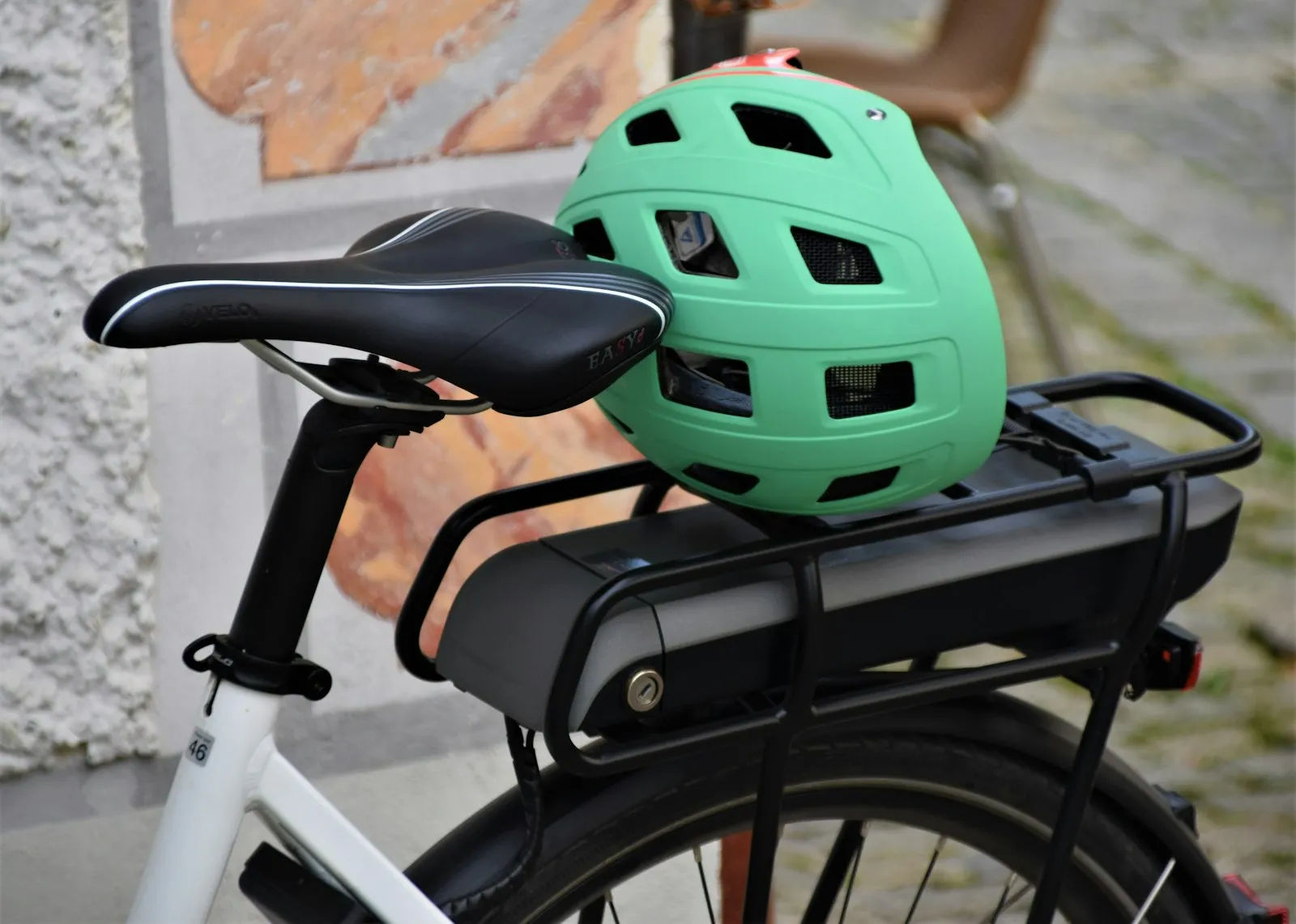
What New York City Law Requires of Bikes and Batteries
New York City responded to the danger with Local Law 39. Under that law, e-bikes sold, leased or rented in the city must meet the UL 2849 safety standard, and their batteries must meet UL 2271.
Why does this matter to an injured person? Because certification requirements help show what a reasonable seller should have been offering. If a shop sold an uncertified bike or battery, that fact may become an important part of the story in a claim. It is not the whole case on its own, but it is the kind of detail worth knowing early.
It also helps to know how state law treats these devices more generally. New York sorts e-bikes into three classes under VTL § 102-c, and they are not considered “motor vehicles” under the Vehicle and Traffic Law. Our article on New York e-bike laws goes through the riding rules if you’re curious.
The Kinds of Harm an E Bike Fire Leaves Behind
Fire injuries are some of the most painful injuries people go through, and they rarely stop at the skin. We hear from people dealing with several of these at once.
Burns
Burns can range from painful surface burns to deep injuries that need skin grafts, repeated surgeries and long periods of wound care. Burns to the hands and face can affect work, sleep and daily life for a long time. Scarring may be permanent.
Smoke inhalation
Smoke from a burning battery can be thick and toxic. People who breathe it in may need emergency treatment and follow-up care, even if they were never touched by flames.
Injuries from escaping
Some people are hurt getting out: falls on stairs, cuts from broken glass, or injuries from jumping or climbing to safety.
Emotional harm
Losing a home, belongings or a sense of safety is deeply upsetting. Nightmares, anxiety around chargers, and fear of being indoors near batteries are common after a fire. These effects are real, and they belong in the conversation about a claim.
Our page on burn injuries from fires, scalds and battery explosions covers burn claims more broadly.
Who May Be Responsible When a Battery Ignites
A fire claim usually looks different from a traffic crash claim. Instead of asking which driver made a mistake, the focus is usually on the product and the people who put it into your hands. Depending on the facts, the parties may include:
The manufacturer
A company that designed or built a defective battery, bike or charger can be the target of a product liability claim. This might involve a flaw in how the battery cells were assembled, a missing safety feature, or inadequate warnings.
The seller
The store or online seller that sold the bike or battery may also be responsible for a defective product. This matters a great deal when the manufacturer is overseas or hard to identify, and it matters even more if the product was sold in violation of the city’s certification rules.
A building owner, in some situations
Sometimes questions come up about the building where the fire happened, such as whether exits or fire-safety equipment worked as they should have. These questions are very fact-specific, and they don’t apply in every case. Our premises liability page explains the general idea of a property owner’s responsibility.
Other people, if you weren’t the owner
Many people hurt in these fires never owned the bike. They are neighbors, family members or roommates. If that describes you, you may still have a claim. Being in the next apartment over when someone else’s battery failed doesn’t take away your right to look into who is responsible.
Keep the Battery: The Evidence That Matters Most
If there is one piece of advice we’d ask you to remember, it is this: don’t throw away what’s left of the battery, the bike or the charger. After an e-bike fire, the remains may be the single most important evidence in the whole case. An expert may be able to examine them to help figure out how the fire started and whether a defect played a role.
We understand that fire debris is upsetting to look at, and that landlords, insurers or cleanup crews may want it gone quickly. Before anything is removed, try to take these steps:
- Photograph the battery, bike, charger and the area around them from several angles.
- Ask that the remains be set aside and not destroyed.
- Look for the box, receipt, order confirmation, or any label showing the brand and model.
- Write down where and when the bike or battery was bought, and whether the battery was original or a replacement.
- Keep copies of any fire department or insurance reports you receive.
- Save photos and videos from your phone, and ask neighbors to save theirs.
Please keep safety first. Don’t handle damaged batteries yourself, and follow any instructions from the fire department. A lawyer can help arrange for the evidence to be preserved properly.
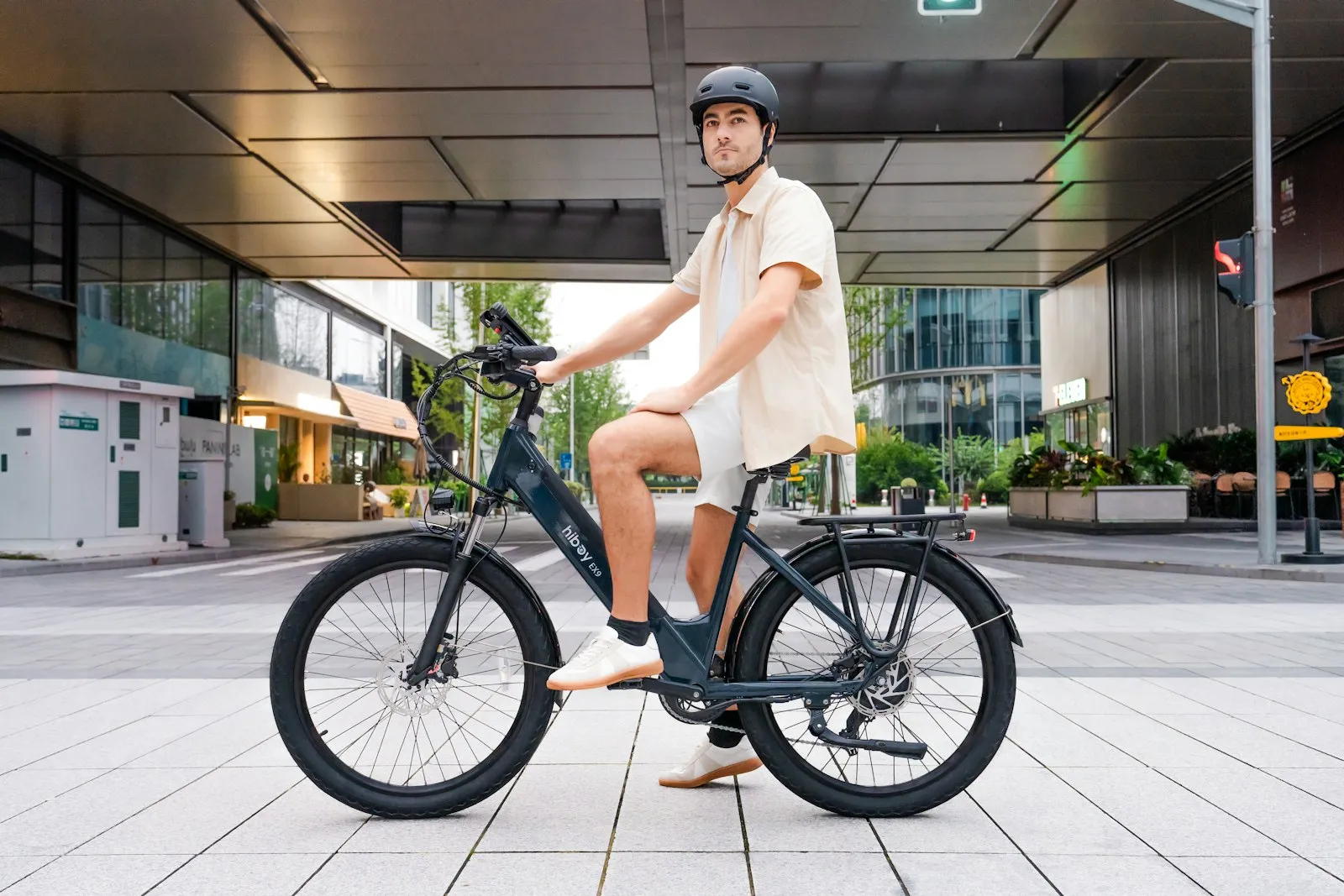
When the Fire Follows a Crash or Happens on the Street
Not every e bike battery fire starts at home. Some happen on the street after a fall or collision damages the battery, and some happen while a bike is in use. In those situations, there may be two stories to untangle: how the crash happened and why the battery ignited.
If a car caused the crash, a claim against the driver may be part of the picture. If the battery failed in a way it shouldn’t have, a product claim may sit alongside it. Our guide to the first 72 hours after an e-bike accident explains early steps after a crash, and the city’s NYC DOT e-bike rules page covers where and how fast e-bikes may go.
A Word for Delivery Workers
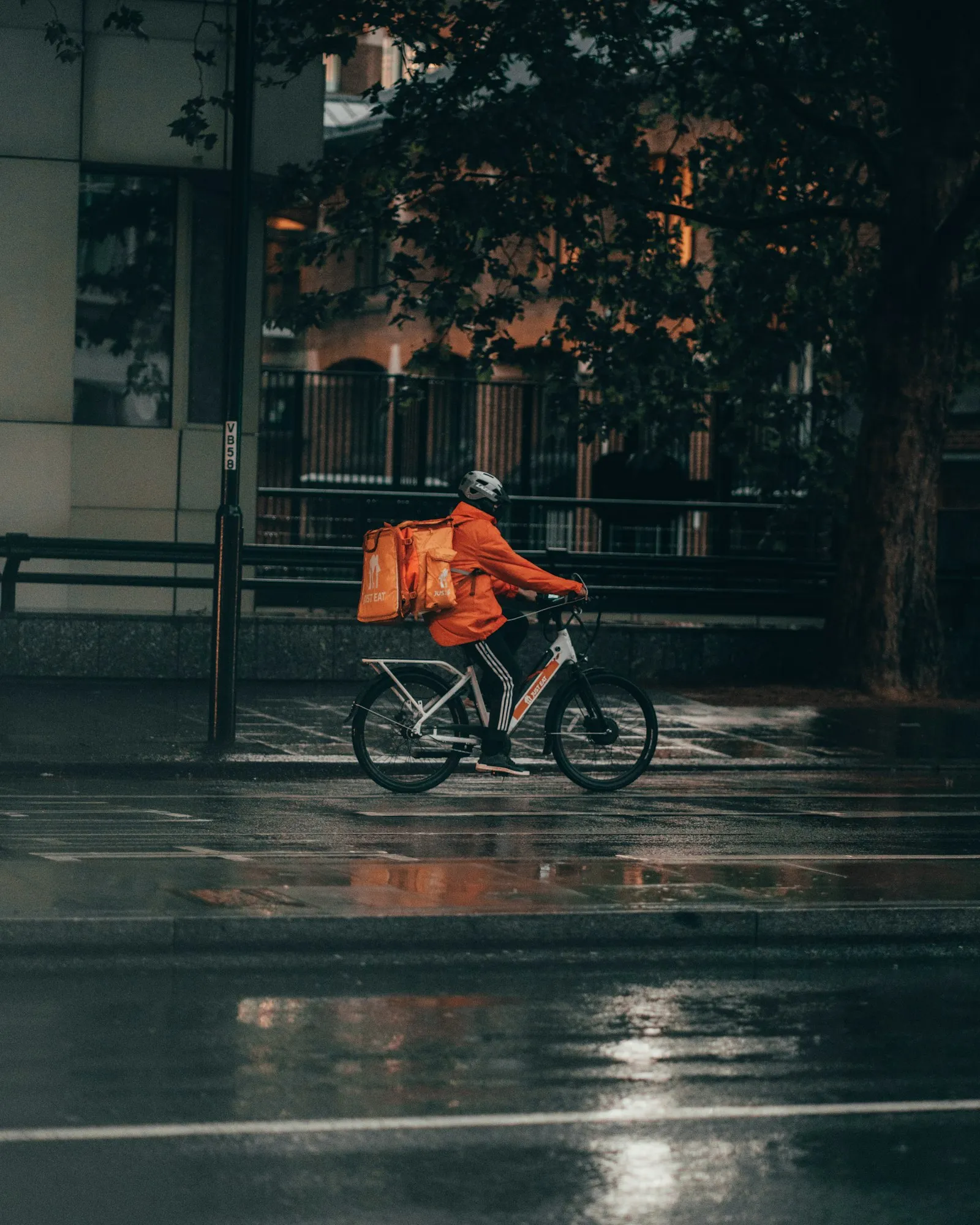
Many of the people who depend on e-bikes most are delivery workers who ride for hours and charge often. If you were hurt by a battery fire while working, your situation may have extra layers. App delivery workers are often classified as independent contractors, which can affect workers’ compensation. Some apps may offer accident coverage in some cases, but the terms vary, so it’s worth checking your own app’s terms carefully.
Our article on delivery rider accident claims in NYC talks through those questions in more detail.
Keeping Track of What the Fire Has Cost You
After a fire, life can feel scattered. You may be staying with relatives, replacing clothes and documents, and going to appointments all at once. It helps to keep one folder, paper or digital, where everything related to the fire goes. That folder becomes the foundation for showing what you have lost.
Things worth saving include:
- hospital, clinic and burn-care records, plus every bill and receipt for treatment and prescriptions;
- notes about missed work, including pay stubs or messages from your employer;
- receipts for temporary housing, transportation to appointments and replacement essentials;
- photos of your injuries as they heal, taken every few days;
- a list of damaged belongings, with photos where you have them.
If you are unable to work for a while, documenting that clearly matters. Our guide on proving inability to work after an injury explains what kinds of proof tend to help.
One more gentle suggestion: be careful about recorded statements. An insurance company for a seller, manufacturer or building may reach out early and ask you to describe what happened. It’s fine to be polite, but you don’t have to give a detailed recorded statement before you’ve had a chance to get advice. People who are hurting and exhausted sometimes guess at details they don’t really know yet, and those guesses can come back later.
Deadlines and Shared Fault, in Plain Terms
Time limits apply even when you are still healing. Most injury lawsuits in New York must be filed within three years under CPLR § 214. For children, the deadline is generally paused until age 18. If a fire took someone’s life, a wrongful death claim is generally due within two years of the death and is brought by the estate’s personal representative; our wrongful death page explains more.
You might worry that something you did, like charging overnight, ruins your claim. Not necessarily. Shared blame doesn’t end the case: CPLR § 1411 makes New York a pure comparative fault state. Any recovery may be reduced by your share of fault, but it isn’t barred because of it.
How We Can Help After an E Bike Fire
At Yakov Mushiyev & Associates, we help people across Queens and New York City with scooter and e-bike accident claims, including injuries from battery fires. We’ve recovered over $80 million for injured New Yorkers. A first consultation costs nothing, and our fee comes only from a recovery. We speak English, Russian and Spanish, and we’re glad to meet you at home, in the hospital or by video, especially if getting around is hard right now.
If you’d like to talk through what happened, you can reach us through our contact page. Meanwhile, keeping a simple daily record of your pain and recovery can help; here’s how to keep an injury diary.
Questions People Often Ask Us About Battery Fires
I didn’t own the e-bike. Can I still bring a claim?
Possibly, yes. Neighbors, roommates and family members hurt by someone else’s battery may have claims, often against the maker or seller of a defective product. The details matter, so it’s worth having the facts reviewed.
The battery was a replacement I bought online. Does that change things?
It can. Replacement batteries are a common source of trouble, and the seller of a defective battery may be responsible. Keep the order confirmation, the listing if you can find it, and any packaging.
What if the fire department or landlord already took the battery?
Write down who took it and when, and let your lawyer know right away. Sometimes evidence can still be located and preserved if requests are made quickly.
Is an e bike fire claim the same as a regular e-bike crash claim?
Not usually. A crash claim tends to focus on how someone drove or rode. A fire claim more often looks at whether the product was defective and who made or sold it, though both can come up in the same case.
How long will my case take?
It depends on how serious the injuries are, how many parties are involved, and whether experts need to examine the evidence. Product cases often take time, which is one more reason to protect the evidence early.
Visit Yakov Mushiyev & Associates
Our office is at 1 Cross Island Plaza, Suite 325, Rosedale, NY 11422, just off the Cross Island Parkway on the Queens–Nassau border. If you can’t come to us, we’ll come to you: at home, in the hospital or by video.

Talk to a Queens e-bike accident lawyer today
Yakov Mushiyev & Associates has recovered over $80 million for injured New Yorkers across the five boroughs and Nassau County. Consultations are free, available in English, Russian and Spanish, and there is no fee unless we win.
Call 718.775.3110 or contact us online for a free case review.
This article is general information, not legal advice. Every case is different. Attorney Advertising.